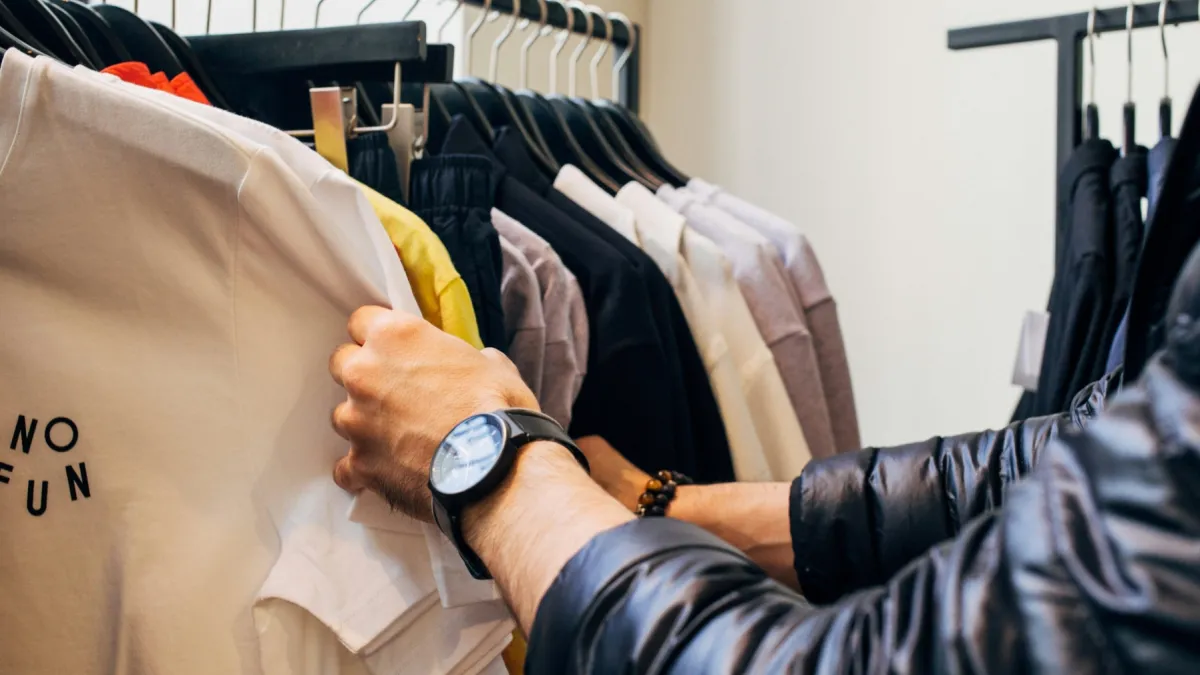
How can retailers tell if loyalty programmes work?
Research suggests sales gains alone can give a misleading picture.
Loyalty programmes can attract shoppers and increase repeat purchases, but many retailers and consumer goods companies still struggle to measure whether those gains justify the cost.
Bain & Company said in a June 2026 report that a rise in sales alone does not show whether a campaign attracted first-time customers, encouraged them to return, or earned back the cost of rewards.
The firm found that well-designed rewards increased first-time customer acquisition by 22% compared with a control group, with the strongest results in beverages and snacks. Each customer generated a return equal to 7.2 times the initial reward cost within three months.
Customers who received a reward on their first purchase were also 18% more likely to buy again over the following two quarters, resulting in a 28.4% increase in spending.
Open Loyalty said in an April 2026 report that companies are under greater pressure to show loyalty programmes keep customers coming back, increase spending over time, and deliver value for money.
Bain said companies should measure customer acquisition and repeat purchases separately rather than relying on overall sales.
It also recommended building a complete view of customer behaviour to distinguish genuine loyalty from short-term promotional spending and designing rewards around specific actions instead of individual products.
Questions to ponder
- How should retailers measure the success of loyalty programmes beyond sales growth?
- Which matters more: attracting new customers or increasing repeat purchases?
- When do loyalty rewards build lasting customer relationships instead of short-term sales?













 Read Here
 Advertise
 Sign Up