H&M bets on Philippines as $15.8b 'fashion hungry' outlier
President Saed El-Achkar cites a globally rare demographic average age of 27.
Swedish fashion retailer H&M Hennes & Mauritz AB is betting on the Philippines as a long-term growth market, drawn by a young population, strong fashion appetite and high digital engagement amongst consumers.
“The average age in the Philippines is 27 years old,” Saed El-Achkar, president for H&M East Asia and Greater China, told Retail Asia. “That’s something that you cannot find in many countries around the world. The Filipino customer is fashion hungry.”
H&M, which has been in the Philippines for almost 11 years, operates 41 stores across the country and has built a sizeable online business alongside its physical footprint.
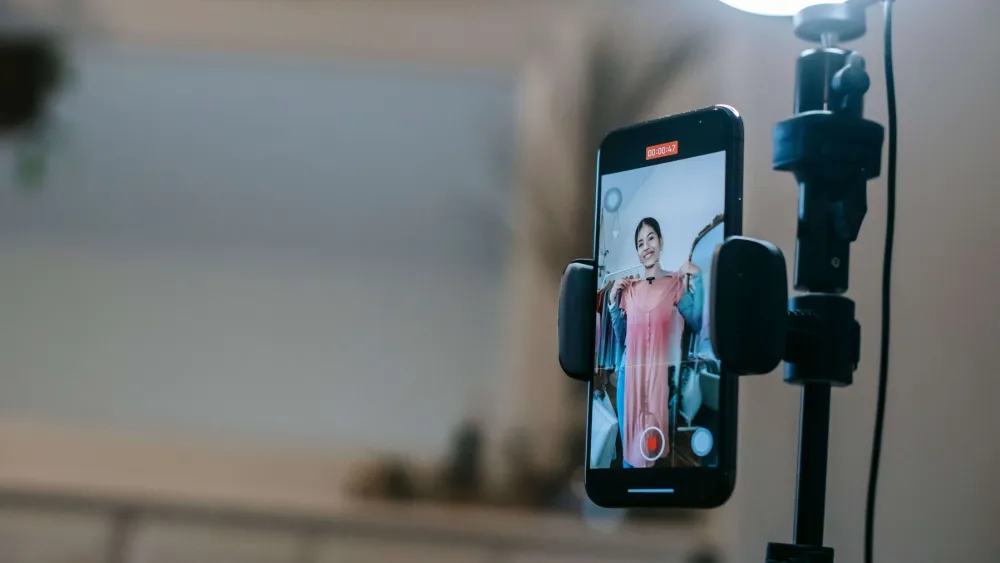
El-Achkar said Filipino shoppers are socially active both in person and online, driving strong engagement across platforms such as Instagram and TikTok.
That combination supports faster trend adoption and a higher willingness to experiment with fashion, making the market attractive for international brands.
Beyond demographics, El-Achkar said the Philippines fits into H&M’s broader regional plans because of its openness to global trends and evolving retail environment.
“It is the demographics,” he said. “It is how the customer perceives fashion, how open the customer is to all the international trends out there.”
The Philippine clothing market was valued at $8.1b in 2024 and is projected to grow 6.9% annually to $15.8b by 2033, according to IMARC Group. Growth is being driven by e-commerce expansion and a large, fashion-conscious youth segment with broad access to apparel choices.
H&M has seen strong demand in the Philippines for trend-driven and occasion-focused collections, including partywear and holiday assortments.
“Our customers in the Philippines, they like life, and they want to have fun, and they want to be out there and party and celebrate,” El-Achkar said, adding that higher fashion content tends to resonate well with local shoppers.
He said this level of fashion awareness stands out compared with other markets. “You don’t see it to this extent around the world,” he said.
Whilst digital channels continue to grow, El-Achkar said physical stores remain central to H&M’s approach.
The company is focused on improving fashion presentation and making stores feel less transactional and more experiential.
He added that lifestyle concepts such as in-store cafes have been rolled out in other markets and could eventually be introduced locally.
H&M upgraded its Philippine website in 2024 and added cash-on-delivery, reflecting local payment preferences.
El-Achkar said the priority is ensuring customers could find what they want, whether online or in-store.















 Read Here
 Advertise
 Sign Up