
Thai shopping apps end discount wars and raise fees on sellers
Delivery speed replaces price cuts as platforms push four-hour shipping.
Thailand’s e-commerce sector has shifted from a “growth at all costs” phase to a monetisation phase, with platforms prioritising profitability over expansion by raising commissions, cutting subsidies and expanding revenue from logistics, advertising, and value-added services.
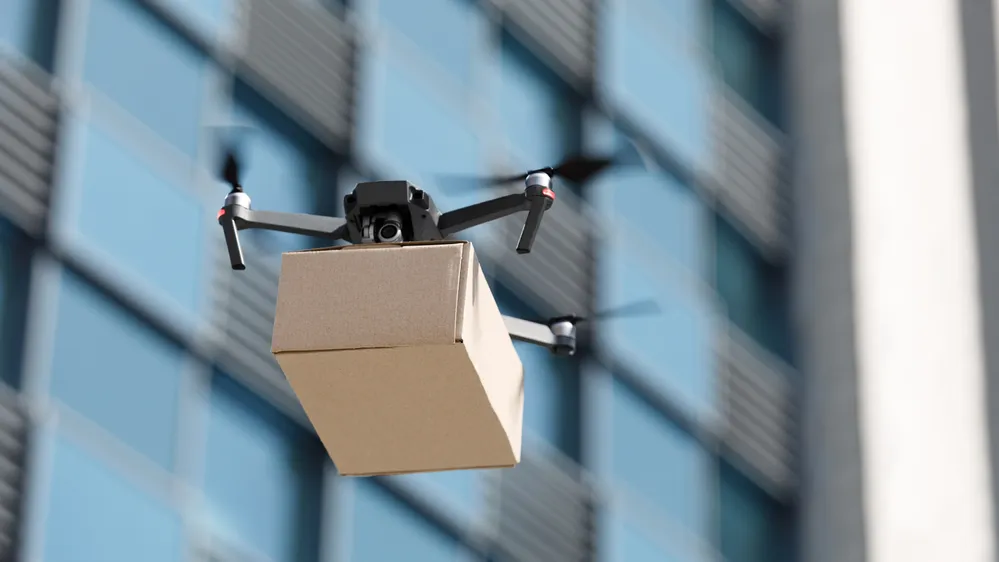
UOB Kay Hian said that competition has shifted from price to delivery speed, with platforms such as Shopee and Lazada competing on logistics efficiency as fulfilment becomes a key differentiator.
Delivery times have fallen to as little as four hours in some areas, whilst selected locations offer two-hour delivery. Platforms are also competing across five dimensions: price, assortment, quality, delivery speed and entertainment value.
Shopee and Lazada remain strong in price competitiveness, product variety and quality perception, whilst delivery-focused platforms such as LINEMAN, Grab, Lotus's, Makro Pro and 7 Delivery lead in rapid fulfilment.
TikTok and Shopee have also integrated entertainment into the shopping experience, making product discovery and purchasing more engaging.
“Marketplaces have evolved beyond being simple transaction platforms into ecosystems that connect merchants, creators, payment systems, and logistics providers,” it said.
Consumer behaviour has become more fragmented across multiple touchpoints, including social media, search engines, reviews, influencers, and physical stores, before purchase decisions.
They increasingly trust recommendations from creators and influencers over direct brand communications, according to the brokerage.
Marketplaces are also expanding into logistics and fulfilment services, with the report citing Shopee's Fulfilled by Shopee programme, under which merchants store inventory in Shopee warehouses whilst the platform manages storage, packaging, delivery and returns.
The brokerage said the model improves efficiency and delivery speed but increases merchant dependence on platforms.
Sellers face rising costs beyond headline commissions, including advertising, payment processing, affiliate, BNPL, and promotional fees.
As a result, many brands now use marketplaces primarily for customer acquisition and direct repeat purchases to their own platforms to improve profitability and reduce long-term dependence.
UOB Kay Hian said artificial intelligence agents could become the next major disruptor in e-commerce as technology companies develop systems that assist consumers throughout the purchasing process and potentially make purchases autonomously.
Retailers with physical store networks retain an advantage in grocery and omnichannel segments.
Store networks function as local fulfilment centres, supporting faster delivery and wider coverage, whilst retailers such as 7-Eleven, Lotus's, Makro, and Big C are expected to remain key beneficiaries in the grocery segment.




















 Read Here
 Advertise
 Sign Up