Young consumers drive 60% of spending as ‘smart indulgence’ grows
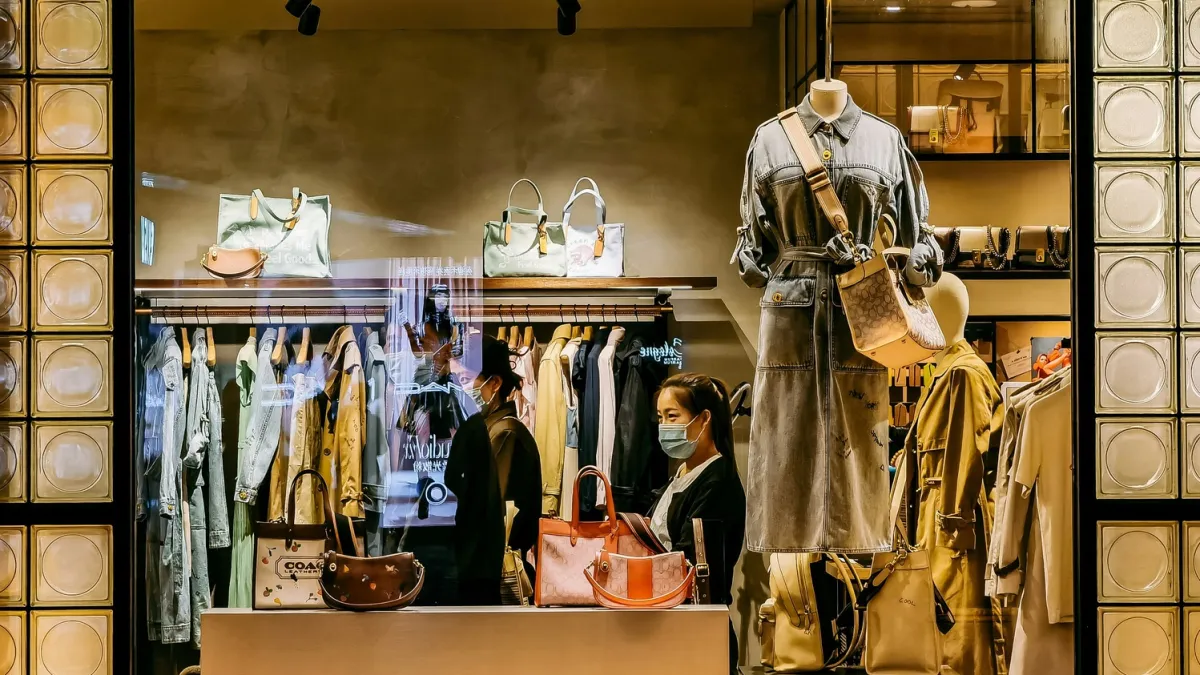
Accessible luxury has become the largest segment of the broader luxury market.
Consumers aged 18 to 35 account for roughly 60% of global purchasing power, making them a major driver of spending patterns in retail and broader consumer markets, according to The 1 Insight.
At the same time, the accessible luxury segment—covering fashion and beauty—has grown into the largest portion of the wider luxury market.
The report notes a shift in how younger consumers define “luxury.” Rather than focusing primarily on price or brand name, they place greater emphasis on emotional value, self-expression, and perceived long-term value.
This has contributed to what is described as “smart indulgence,” where spending is directed toward products that meet these criteria.
As a result, accessible luxury brands have continued to expand, supported in part by the growth of newer fashion and beauty labels from markets such as Korea, Thailand, and parts of Europe that have gained international traction.
These brands often compete through product quality, design, digital-first marketing, and relatively lower price points.
Their popularity is reflected in short-term demand spikes, including strong social media visibility, in-store queues, and frequent sell-outs of new releases.
Within fashion, this pattern has translated into broad sales growth across age groups, with the strongest momentum amongst younger consumers.
Shoes, clothing, and watches rank as the top categories for this group.
In beauty, which functions as a “luxury entry point” compared to fashion, sales of accessible luxury products amongst young consumers have increased by about 1.5 times. Makeup has seen an even sharper rise, roughly doubling.
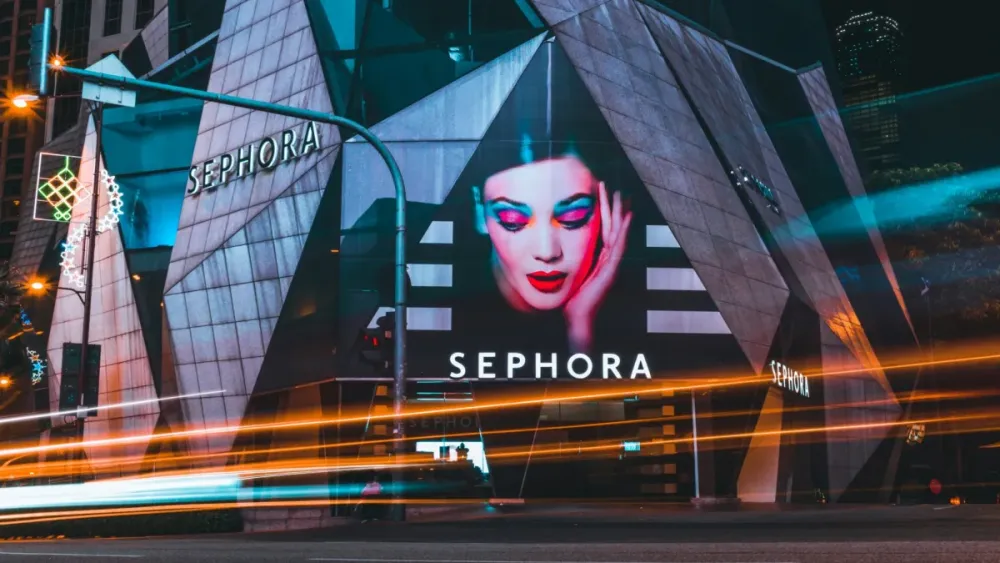
Distribution trends also show growth in multi-brand beauty retailers that carry curated selections across countries, particularly accessible luxury labels targeting younger shoppers.
Spending through these channels has increased by about 1.5 times.
Consumer behaviour in this segment varies by category. In makeup, demand is driven by novelty, experimentation, and products that signal individual style, which has supported faster growth for Korean and innovation-led brands.
In skincare, however, purchasing decisions remain more strongly influenced by brand reputation and trust, with established global luxury and legacy brands continuing to dominate sales.








 Read Here
 Advertise
 Sign Up