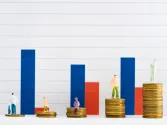
K-Pop signed singles, photocards turn fans into investors
Premium items have appreciated like blue-chip collectibles.
K-pop merchandise is evolving from sentimental keepsakes into high-value collectibles with growing global appeal.
“In its early days, K-pop merchandise was primarily a ‘badge of identity’—a way for fans to show their belonging,” Jaewha Choi, CEO at Bungaejangter, Inc. (Bunjang), told Retail Asia. “But over the last three years, we’ve witnessed a profound transformation.”
She said the market has matured into a sophisticated secondary scene, where premium items have appreciated like “blue-chip collectibles.” Fans now assess merchandise strategically, considering scarcity, provenance, and long-term collectibility.
Rare items can fetch impressive sums on Bunjang, which acts as a trusted middleman for buying and selling K-pop merchandise.
A signed digital single from BIGBANG’s Daesung recently sold for over $2,700 almost 20 years after release, whilst a DAY6 member photocard can command over $600 in Singapore.
“Whilst emotional connection remains the heartbeat of this market, it is now being professionalised through factors like authenticity, timing, and pristine condition,” Choi said in an emailed reply to questions.
Southeast Asia is emerging as a key driver of cross-border K-pop sales. Fans here often approach merchandise with a “trader’s mindset,” she said.
By December 2025, Bunjang had 3.6 million monthly active users globally, with transaction volume up more than triple a year earlier, and gross merchandise value rising 2.7 times.
Indonesia leads in new users, whilst Singapore ranks fifth in sales volume. Combined with Malaysia, Vietnam, and the Philippines, Southeast Asia represents a significant portion of the global K-pop resale market.
“Southeast Asia isn’t just a participant; it is the very heart of the global cross-border K-pop economy,” Choi said.
Bunjang’s mobile-first platform allows users worldwide to buy directly from Korean sellers, with integration into Japan’s Mercari to connect major markets. Choi said this unifies fragmented markets without requiring heavy local infrastructure.
Challenges remain. Counterfeit concerns, fragmented supply, and complex logistics complicate cross-border transactions.
“For global fans, the biggest hurdle isn’t just finding the item—it’s having the confidence that what they see on their screen is exactly what will arrive at their doorstep,” Choi pointed out.
Bunjang addresses these risks through pre-shipping inspections and authentication via its BGZT Luxury store. High-value items are verified using Corelytics, which combines expert appraisal with artificial intelligence-driven pattern recognition and X-ray fluorescence technology.
The platform also uses transaction and search data to track demand and trends, helping identify which collectibles—early-edition albums, limited releases, and event-exclusive items—will appreciate most.
Over the next few years, resale is expected to complement primary retail, extend product lifecycles, and provide engagement points for fans.
“K-pop products are no longer viewed purely as sentimental keepsakes,” Choi said. “They are increasingly being treated as sophisticated assets, with their market value dictated by a precise intersection of scarcity, global demand, and historical significance.”











 Read Here
 Advertise
 Sign Up