APAC malls bet on pop-ups and lifestyle spaces to win shoppers
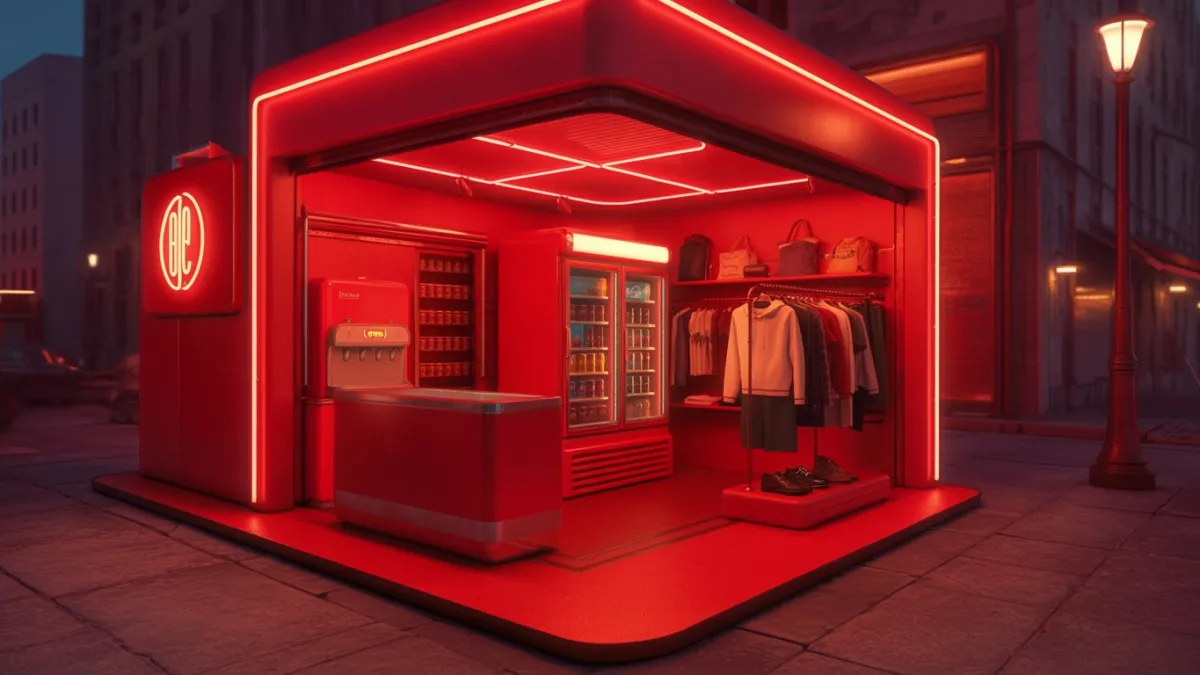
Retailers use pop-ups and flexible spaces.
Malls are evolving beyond traditional shopping destinations as retailers and landlords adapt to changing consumer behavior, according to Cushman & Wakefield.
In its Retail in the Trust Economy newsletter, the firm said consumers now form opinions about brands before entering a store, making physical retail a key space for building trust and strengthening customer engagement.
“What has changed isn’t the importance of physical retail, but what it’s expected to do,” said Sona Aggarwal, managing director and head of retail sales and strategy for Asia Pacific at Cushman & Wakefield. “Consumers are forming opinions before they enter a store, which means the store has to deliver on a promise that has already been made online.”
The company said Gen Z is driving the return to malls, with 64% preferring to shop in physical stores.
In response, retailers are expanding the use of pop-up stores, modular layouts and flexible leasing to keep stores relevant and encourage longer visits.
Cushman & Wakefield said pop-up retail in Asia-Pacific is expected to account for 32.4% of the global market and generate about $4.8b in revenue in 2025.
The report also noted that malls are increasingly being integrated into mixed-use developments that combine retail, residential, office and lifestyle spaces.
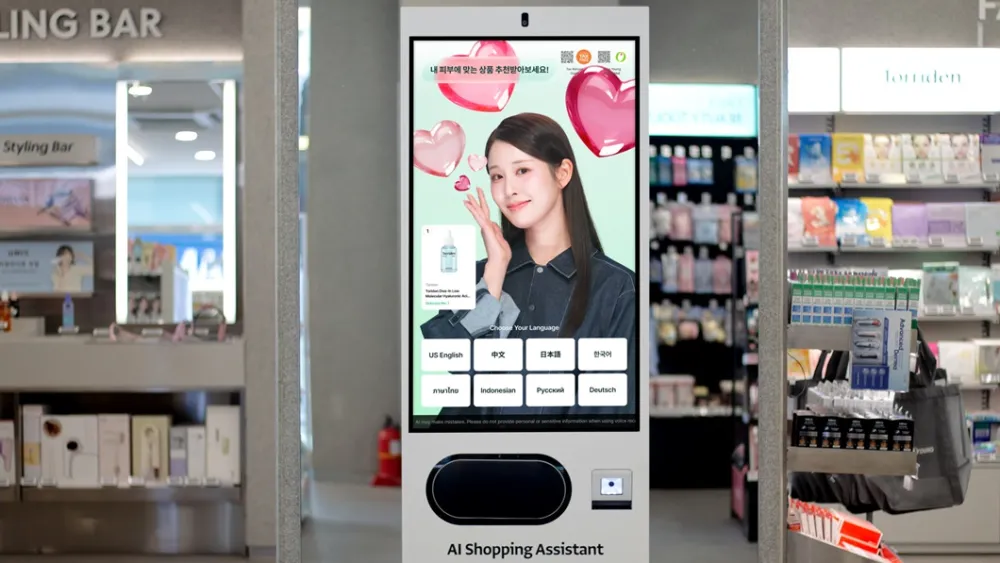
South Korea was highlighted as an example of the trend, with retail districts such as Myeongdong and Seongsu combining shopping, beauty, wellness, and cultural offerings.
The country's tourism recovery, which brought a record 18.93 million international visitors in 2025, has supported demand in these retail areas.
"What we're seeing in Korea is a retail ecosystem where multiple consumer needs are being addressed within a single environment," said Suki Kim, Head of Research for South Korea at Cushman & Wakefield.
"The integration of beauty, wellness and cultural retail is changing how space performs, with stores designed to drive engagement and repeat visits rather than just transactions."
Looking ahead, Cushman & Wakefield said growing wealth in Asia-Pacific and changing consumer preferences will continue to drive demand for experience-led retail, particularly in cities such as Singapore, Shanghai, and Tokyo.
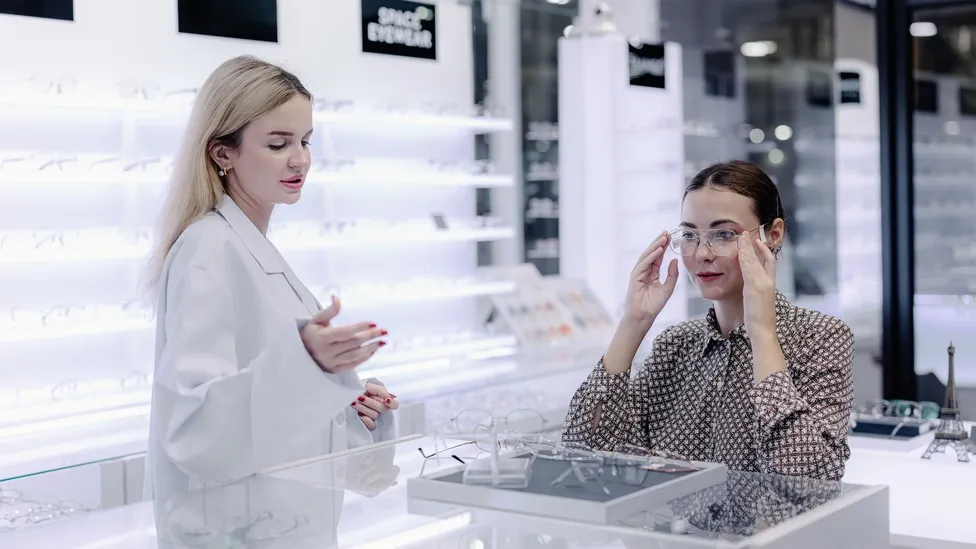
Aggarwal said luxury brands are also redesigning stores to support personalised services, with more flagship locations adding private suites and concierge spaces to strengthen long-term customer relationships.












 Read Here
 Advertise
 Sign Up