TikTok disrupts how Asia buys beauty
Creator-led authenticity redefines how consumers buy products online.
Social commerce is rewriting the rules of beauty retail across Asia-Pacific, with TikTok now driving 22% of e-commerce sales in the region. The platform’s seamless blend of entertainment, education, and instant shopping has made it a powerhouse for beauty discovery, reshaping how consumers decide what to buy and why.
“Shoppers are really seeking inspiration and seeking education about their beauty products from social media in the product discovery stage,” said Pia Fisher, Senior Beauty Strategist at WGSN. “Platforms like TikTok are really bridging that content-to-commerce gap in beauty purchasing decisions.”
Fisher explained that beauty remains a “recommendation-driven category” built on trust and validation from peers. “This organic user-generated content, plus also creative partnerships, is really helping to reassure shoppers,” she said. She added that consumers are forming “intentional communities” on TikTok—digital beauty spaces where they exchange knowledge and review products in real time.
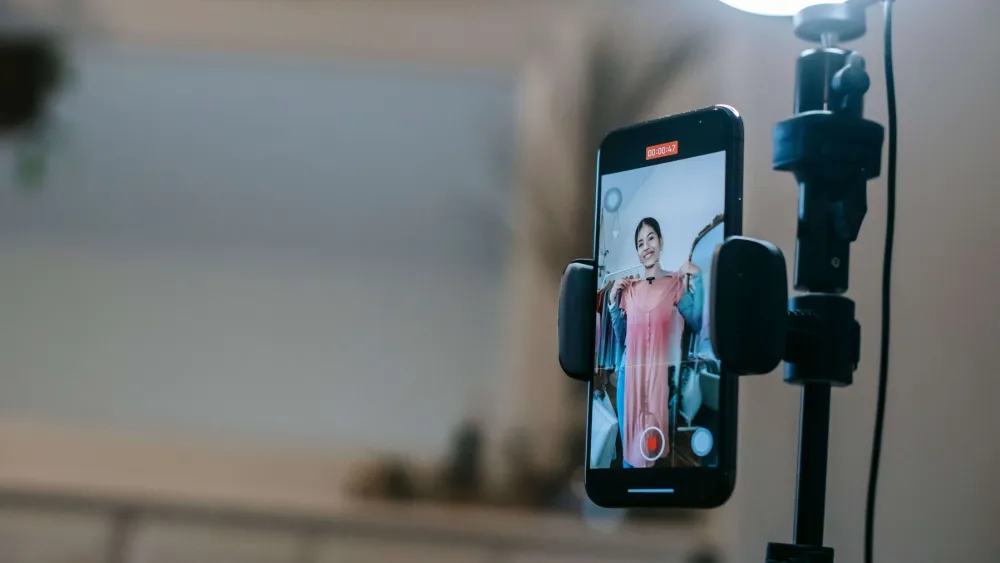
“Beauty is such an emotionally driven and community-led category,” said Belinda Millenia, Creator Consulting Manager at Impact.com. “People really trust what others are sharing. And social commerce works really well because it lets creators show products in real life, either through tutorials or tips or transformation, so it feels very authentic and relatable.”
Millenia noted that platforms like TikTok, Instagram, and YouTube now “blend entertainment, education, and shopping all in one place.” Brand partnerships with creators offer both credibility and measurable results. “When creators are giving honest feedback and showing the real results, it helps the audience make confident decisions. And with affiliate marketing, brands can actually track performance through the links and conversions,” she said.
TikTok’s influence goes beyond product awareness, it’s driving purchase behavior. “It’s no longer just about traditional ads,” Millenia said. “It’s now about real people sharing their routines, results, and even some side effects, which makes everything feel very honest and really relatable.”
Fisher added that user-generated content is propelling viral skincare trends. “TikTok is shortening the path from discovery to purchase with viral products often selling out quickly after trending just on TikTok,” she said, citing Southeast Asia’s “gluta collagen” craze as a standout example.
But experts warn that chasing TikTok trends comes with risks. “Relying on TikTok alone as a trend forecasting tool… is not strategic enough for making business decisions,” Fisher said. She pointed to the “TikTok FOMO” effect, where brands overinvest in fleeting trends or miss long-term opportunities.



















 Read Here
 Advertise
 Sign Up






Commentary
Malaysian brands know what they want to be — their incentive structures disagree
Rethinking the role of video infrastructure in Asian retail
Why APAC digital leaders must overhaul content amidst fractured consumer discovery