APAC consumer firms boost AI agent use; Few projects reach scale
Most initiatives stall before deployment even as uptake accelerates across sectors.
Adoption of artificial intelligence (AI) agents amongst Asia-Pacific (APAC) consumer businesses is set to rise to 76% within two years from 29%, but only about 30% of companies report that at least 40% of their initiatives reach production, a Deloitte report said.
The region is expected to drive around two-thirds of new retail sales over the next five years, supported by more than 4.3 billion shoppers, 18 megacities, and the world’s fastest-growing middle class.
More than half of consumer businesses in APAC have deployed AI across functions including IT, cybersecurity, marketing, sales, and customer support, with about one-third using AI to change their business models.
Retail executives expect AI to be used more than traditional search engines and to compress the buying process.
Nine in ten said AI will be used more than search engines by 2026, whilst half expect today’s multi-step shopping journey to collapse by 2027.
Industry forecasts indicate AI agents could influence or handle up to a quarter of global e-commerce sales by 2030, but two-thirds of retail leaders do not expect consumers to allow agents to complete purchases on their behalf before 2028.
The report said use in search, comparison, and recommendations is expected to expand earlier.
APAC’s digital adoption and retail ecosystems position the region to lead the shift towards agent-led commerce, with nearly three-quarters of consumers already using AI to discover, compare, and learn about products.
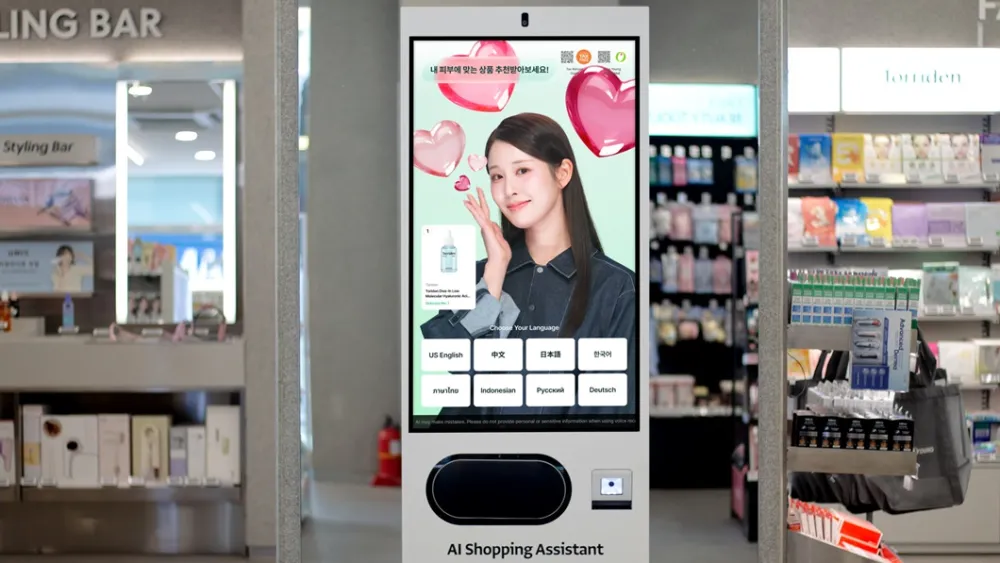
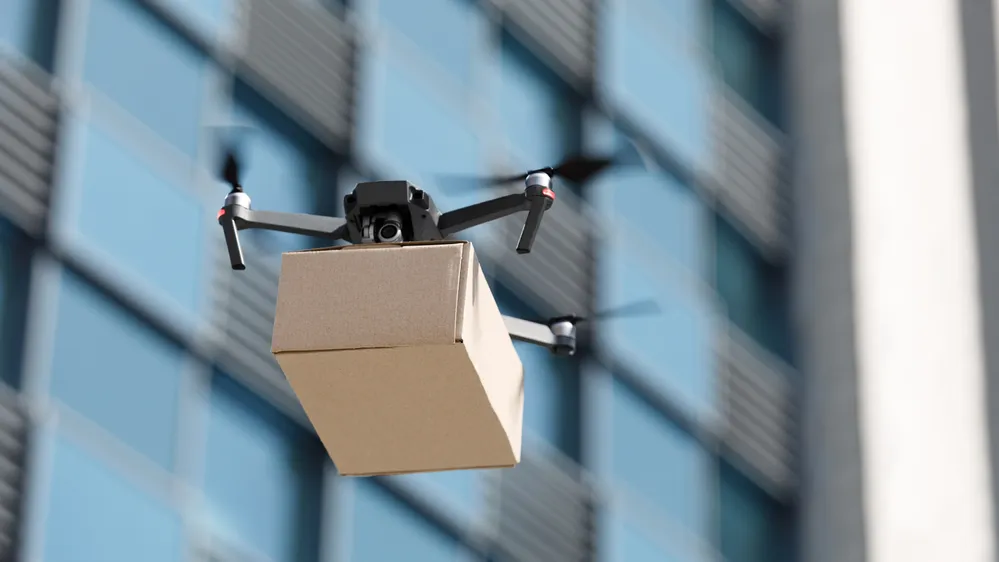
Deloitte identified developments including the use of AI agents to link data across digital and physical channels, the integration of intelligence into stores, and the deployment of specialised agents across operations such as forecasting, inventory, pricing, and fulfilment.
Retailers must strengthen data governance, enable real-time sensing of demand and supply, and adapt physical stores into experience-driven environments as AI agents take a larger role in the retail value chain.

















 Read Here
 Advertise
 Sign Up