, APAC
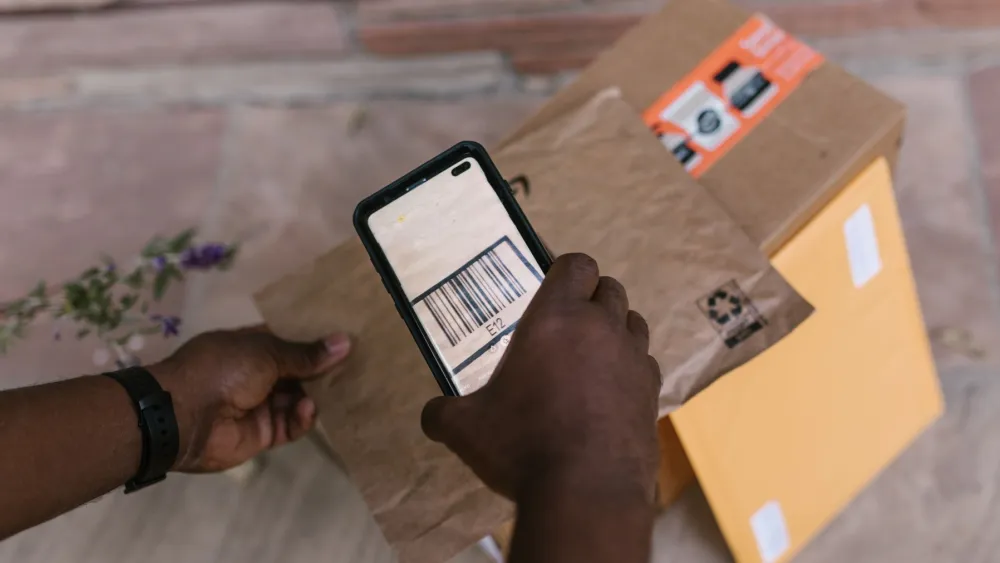
Photo by cottonbro studio from Pexels.

Use of digital wallets for e-commerce purchases to rise at 12% CAGR until 2026

China leads digital payments in APAC.

Payments for e-commerce purchases using digital wallets will increase at a compound annual growth rate of 12% until 2026, increasing its share in total transactions to 54%.

In The 2023 Global Retail Development Index, Kearney noted that in Asia Pacific, China will lead the growth in the use of digital wallets, followed by developing countries.

Kearney added that the popularity of buy now, pay later (BNPL) for e-commerce spending, is led by platforms such as Alibaba, JD, and Flipkart.

ALSO READ: BNPL poised to be the most preferred payment method in Southeast Asia: report

Globally, BNPL accounted for 5% of the e-commerce transactions in 2022.

Specifically, it is the fastest-growing digital payment method in the Middle East and Africa. It is expected to rise at 43% CAGR through 2026 in the region.

 

Follow the link for more news on

Join Retail Asia community
Since you're here...

...there are many ways you can work with us to advertise your company and connect to your customers. Our team can help you design and create an advertising campaign, in print and digital, on this website and in print magazine.

We can also organize a real life or digital event for you and find thought leader speakers as well as industry leaders, who could be your potential partners, to join the event. We also run some awards programmes which give you an opportunity to be recognized for your achievements during the year and you can join this as a participant or a sponsor.

Let us help you drive your business forward with a good partnership!

Top News

Jollibee launches Compose Coffee in the Philippines
The Philippine launch is another step in a broader regional takeover in Southeast Asia.
China’s luxury market stabilises after sharp 2024 drop
Kearney reported China luxury market down 3–5% in 2025 with early recovery emerging.
Fashion

Exclusives

Brands ditch 20m buyers for 'Crazy Rich Asians'
About 20 million consumers exited the personal luxury goods market last year.
AI enters the Philippine neighbourhood store
Widespread use could generate up to $48b in economic value by 2030.