
Why flexible storage is the backbone of the pop-up economy
By Danny WongPop-ups carry a structural challenge that is often overlooked: Inventory management.
Valued at $12.4b in 2024, the global pop-up retail store market is projected to triple in size by 2033, according to figures from Market Intelo. The Asia Pacific region, specifically, is forecast to grow quickest during that time frame, at a robust compound annual growth rate (CAGR) of 14.6% – surpassing the global CAGR of 11.2%.
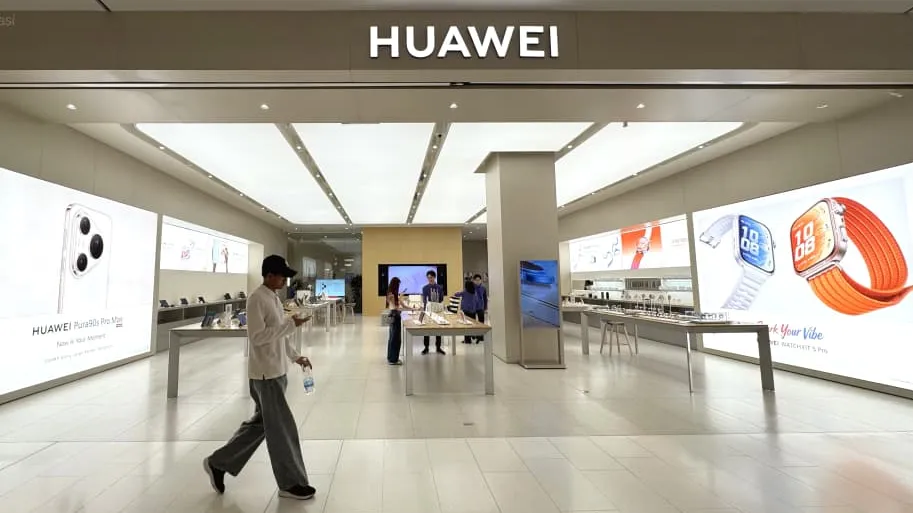
Early signs of this expansion are already evident across Asia’s retail corridors. In Singapore, pop-up stores, interactive product demonstrations, and themed retail experiences are becoming increasingly prevalent in malls, streetside locations, and mixed-use developments alike.
This makes physical pop-up activations a critical channel for reaching the next generation of shoppers – particularly given that 75% of Gen Z consumers in Singapore still prefer in-person shopping experiences over digital ones, data from NielsenIQ and World Data Lab shows, especially when coupled with cost savings.
The appeal is not hard to understand. Pop-ups offer brands a rare combination: The tactile engagement of physical retail, without the long-term commitment of a permanent lease. They create urgency, exclusivity, and buzz – qualities that resonate strongly in markets where consumers are increasingly selective about where they spend their time and money.
For brands navigating uncertain demand and evolving consumer tastes, this flexibility goes beyond attractiveness and is fast becoming a strategic necessity.
The operational gap behind the Instagram-worthy shopfront
Yet, pop-ups carry a structural challenge that is often overlooked: Inventory management. Where permanent stores typically have access to fixed backrooms, loading docks, and established warehouse relationships, brands running pop-up activations must grapple with a more precarious set of logistics questions: Where do you store your stock before the event? Where does unsold inventory go after the activation wraps up? How do you scale up mid-campaign if the first week goes viral and demand far outpaces initial projections?
These are not hypothetical concerns. Misjudging inventory can have very real consequences for brand campaigns and bottom lines. Too little stock and you lose sales momentum at precisely the moment where consumer interest is highest. Too much, and you are left holding dead stock that weighs on margins long after the pop-up has closed.
This is often why a pop-up that appears wildly successful in terms of advertising metrics and social media impressions can actually lose money in practice.
The gap, then, is not in the pop-up itself – brands are increasingly adept at designing compelling retail experiences. The gap exists in the inventory infrastructure that sits behind the temporary shopfront, enabling it to function efficiently before, during, and after the activation window.
Why storage flexibility has become transient retail’s unspoken competitive edge
With the accelerated growth of transient retail formats comes a burgeoning demand for versatile storage solutions. Adaptable storage serves as retail agility infrastructure – a retailer can rent additional storage units ahead of a campaign and scale back once it concludes. With month-to-month rental agreements and no long-term contracts, businesses can dynamically adjust the size of their storage footprint during periods of rapid growth or waning demand. This ensures they pay only for what they need, avoiding the sunk costs of unused warehouse space that accumulates when brands over-commit to fixed capacity.
Smaller companies stand to benefit disproportionately from this model. Unlike their larger counterparts, independent labels and emerging brands are far more susceptible to cash flow volatility. Locking capital into long-term leases or excess inventory during uncertain demand periods is a risk that can be existential for smaller operations. Flexible storage arrangements give these businesses the ability to act like larger players during peak campaigns, without inheriting the cost structure that traditionally accompanies scale.
Beyond inventory staging, adaptable storage also helps brands declutter their primary operational locations and establish a more structured stock management system. For leaner teams, where people and places often serve multiple purposes, creating a clear delineation between working and storage environments provides operational clarity that benefits productivity, fulfilment accuracy, and team morale. These are efficiencies that compound quietly over time but add up meaningfully across a campaign calendar.
Beyond space, forward-thinking flexible storage providers are now offering value-added facilities that transform storage units into operational hubs: Packing stations, photography studios, and fulfilment support, all under one roof. For smaller brands, this consolidation is a meaningful cost efficiency. Rather than sourcing separate vendors for logistics and content production, everything lives in one location.
There is also an underappreciated community dimension to shared storage facilities. When multiple independent brands and emerging labels operate out of the same space, organic networking emerges. In a retail culture where branded pop-up collaborations are increasingly the norm, proximity to like-minded business owners can be as valuable as the storage space itself.
Building a retail future where agility wins
Looking ahead, Asia’s retail future is increasingly likely to be a dynamic mix of permanent storefronts and pop-ups, rotating fluidly based on demand signals, seasonal patterns, and market experimentation. The competitive advantage will not necessarily favour the brands with the largest physical footprints, but rather those who know when to scale their presence up, when to pull it back, and how to do so without operational friction.
Flexible storage solutions are the infrastructure that makes this fluidity possible. They function as the operational foundation allowing brands to move inventory in and out of the market efficiently, cost-effectively, and without waste – turning what was once a back-end logistics headache into a genuine source of competitive agility.
And increasingly, they offer something more: a connected ecosystem of facilities and fellow founders that smaller companies, in particular, can leverage to punch above their weight. For any brand serious about winning in Asia’s next retail era, that quiet backbone deserves far more strategic attention than it typically garners.




















 Read Here
 Advertise
 Sign Up