China luxury shows early rebound amidst stronger markets, local spending
Beauty and experience-based categories led growth.
China’s personal luxury goods market contracted by 3% to 5% in 2025, a significant improvement over the steep declines of 2024, according to Bain & Company’s China Personal Luxury Report.
Whilst consumer confidence remained cautious for much of the year, the market showed early recovery in the third quarter, supported by favorable year-on-year comparisons, a stronger stock market, and gradually improving sentiment.
The report describes 2025 as a year of recalibration, with consumers becoming more selective and favoring luxury items that balance quality, exclusivity, and practicality.
Experience-based spending, including travel and wellness, continued to be prioritized over material goods.
Luxury sector performance varied across categories. Beauty led growth with 4% to 7% gains, driven by steady demand for premium skincare and fragrances. Fashion fell 5%–8%, whilst leather goods declined 8% to 11%, affected by rising prices and limited innovation.
Watches experienced the sharpest drop at 14% to 17%, as consumers turned to alternative investments, secondhand options, and tech-driven timepieces.
Jewelry performed relatively better, with declines narrowing to 0% to 5%, supported by rising gold prices and value-conscious buyers.
“In a more selective market, category dynamics and brand fundamentals are becoming increasingly decisive,” said Priscilla Dell’Orto, partner at Bain & Company. “Brands that maintain strong desirability and deliver clear value through innovation and targeted pricing strategies are proving more resilient.”
Overseas luxury purchases fell sharply, with 65% of Chinese luxury consumption occurring onshore. A stronger yuan, narrower price gaps, and domestic promotions encouraged more spending in China, even as outbound travel slowly recovered.
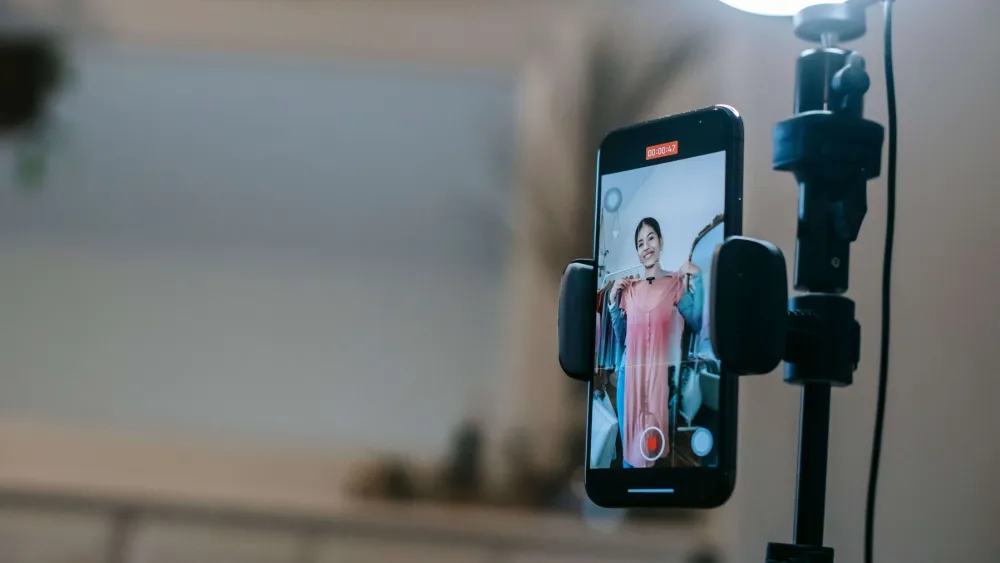
Daigou sales remained elevated but grew only 3% in 2025, compared with 5% in 2024, as brands strengthened oversight of unofficial channels. At the same time, China’s secondhand luxury market grew 15%–20%, reflecting rising consumer acceptance, increased supply, and widespread use of livestreaming for product verification.
“The secondhand market is becoming a more established and complementary pillar of China’s luxury ecosystem,” said Elle Yang, partner at Bain & Company. “Its continued growth reflects changing consumer mindsets as well as the increasing maturity of the overall market.”
Modest growth in China’s luxury market is expected in 2026, though volatility and uncertainty remain.
Expansion is expected to be highly category- and brand-specific, driven by a growing middle class, improving consumer confidence, and supportive policies.

















 Read Here
 Advertise
 Sign Up