Retailers rethink premium strategy as Filipino consumers grow more ‘value fluid'
Retail leaders say value-driven shoppers mix premium and budget buys, pushing brands to prove value beyond price.
Premium retail in the Philippines is evolving rather than weakening, as brands adjust to price-sensitive but aspirational consumers who increasingly mix premium and value purchases.
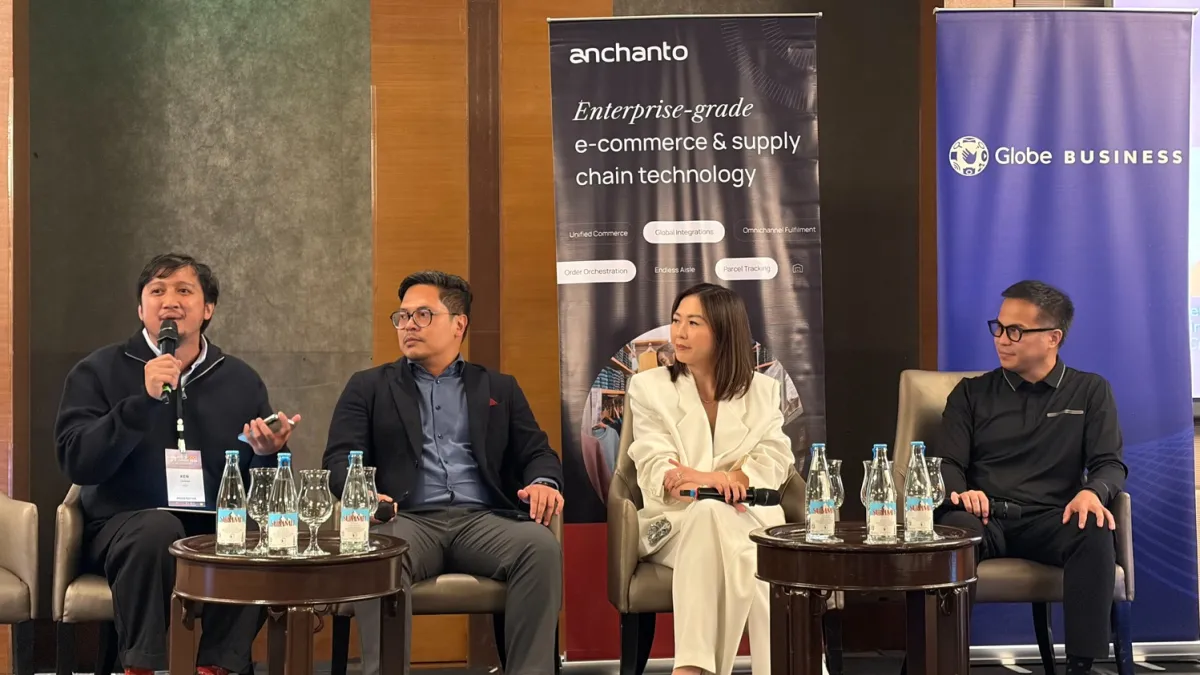
Speaking at the Retail Asia Summit – Philippines 2026, industry leaders said that Filipino shoppers, especially the younger demographics, are “value fluid.”
“To be honest, Filipinos are trading smart,” said Jacqe Gutierrez, co-founder and CEO of Happy Skin Cosmetics and BLK Cosmetics. “They might buy a mid-tier foundation alongside a drugstore lipstick—loyalty isn’t at the forefront.”
She also emphasised that differentiation and storytelling justify premium pricing. Campaigns that embed products into consumers’ daily lives—rather than simply selling items—also help drive engagement.
Lorence Aurelio, VP and head of Central Leasing & Key Accounts at Megaworld Lifestyle Malls, framed the challenge of premiumisation differently.
He said pressure on premium brands is “evolving” rather than declining, driven by modern consumers who prioritise experiences over price.
“Customers invest in comfort, accessibility, and hard-to-replicate experiences,” Aurelio said. “So you need to deliver consistency, align with the lifestyle of the customers you serve, and create highly engaging experiences."
John Paul Paglinawan, country GM of Anta Group, noted that polarisation in the sportswear market underscores the challenge: consumers either gravitate toward premium or value products, leaving little middle ground.
“If your position is in between, then you’re in trouble,” he said, citing how heritage and authenticity help maintain demand for established brands.
The panel also discussed the growing influence of Gen Z and Gen Alpha. Gutierrez highlighted campaigns that pull younger shoppers into physical stores through lifestyle experiences, such as café activations paired with cosmetic launches.
Paglinawan added that authenticity and experiential retail remain key: “If I can buy it online, why would I go to your store? You need to give the entire journey.”
Aurelio stressed the role of developers in creating adaptable retail environments. He cited Megaworld’s Eastwood City and Lucky Chinatown Mall as examples where spatial innovation, tenant curation, and lifestyle integration have turned malls into habitual destinations rather than one-off visits.








 Read Here
 Advertise
 Sign Up