Why luxury brands are losing millions of customers
About 20 million consumers left the luxury market in 2025.
The global luxury market has seen a continued decline in its customer base, with 2025 marking the second consecutive year of losses, according to Bain-Altagamma Luxury Goods Worldwide Market Study.
About 20 million consumers exited the personal luxury goods market last year, reducing the global active client base to about 330 million.
That figure is down sharply from a peak of roughly 400 million in 2022 and effectively returns the market to its estimated 2013 size, despite a steadily expanding pool of addressable luxury consumers over the same period.
The report said that only 40% to 45% of addressable consumers made a personal luxury purchase in 2025, compared with around 60% in 2022.
Brand-level data also shows the same trend, with new client acquisition declining by about 5% compared with 2024.
Still, high-net-worth customers—those spending more than $23,374 (€20,000) annually on luxury goods—maintained their overall spending levels. Their relative importance increased as total sales declined, with this group now accounting for just over 46% of global luxury spending, up from 30% in 2019.
The contraction has been driven primarily by aspirational consumers, who have been squeezed by sharp price increases since 2019. Customer sentiment has weakened significantly, pointing to challenges in brand differentiation.
Around 70% of consumers report dissatisfaction with the in-store experience, whilst 90% say customer experiences feel largely the same across luxury brands.
Still, brands that introduced new creative leadership in 2025 recorded stronger consumer engagement, underscoring the continued appeal of novelty and creative renewal.
Generational spending patterns remained largely stable. Millennials accounted for about 46% of total luxury spending in 2025, slightly down from the previous year.
Gen Z showed selective signs of growth, with some brands successfully engaging the cohort despite its more complex expectations. Gen Z consumers tend to be more engaged but also more critical, less loyal, and more focused on cultural relevance and individual identity than traditional status markers.
The report said brands will need to respond by rebuilding trust through stronger product quality and craftsmanship, renewed creativity, clearer pricing strategies, and deeper cultural relevance.
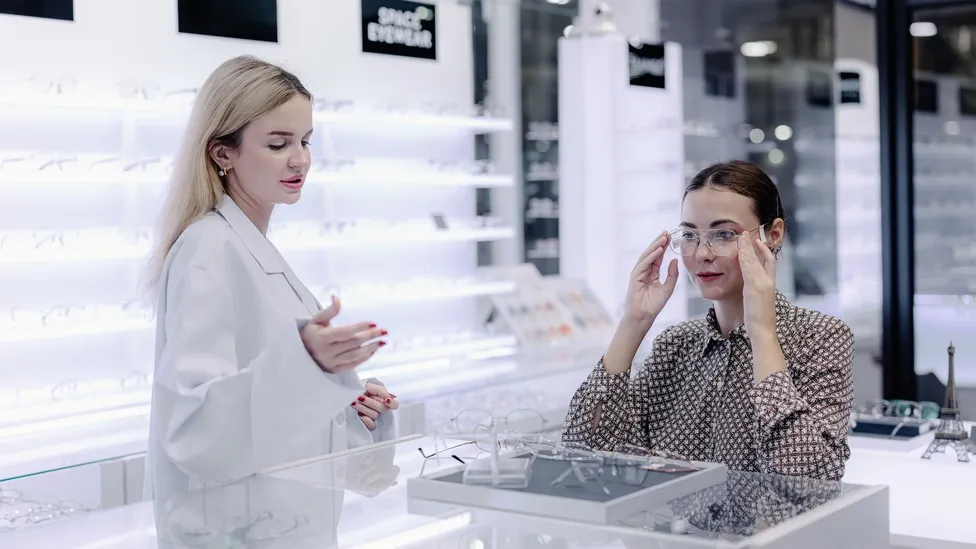
To regain lost customers and attract new ones, luxury groups are also being urged to move beyond transactional relationships by investing in personalization and curated experiences.
For top-tier clients, the focus is shifting toward creating exclusive, once-in-a-lifetime moments and empowering client advisers to build deeper emotional connections across all touchpoints.


















 Read Here
 Advertise
 Sign Up