Zero-waste systems cut retail operating costs
The retail sector is uniquely placed to monetise its waste.
Reducing waste is now increasingly being seen not just as an environmental obligation but as a source of cost savings for retailers.
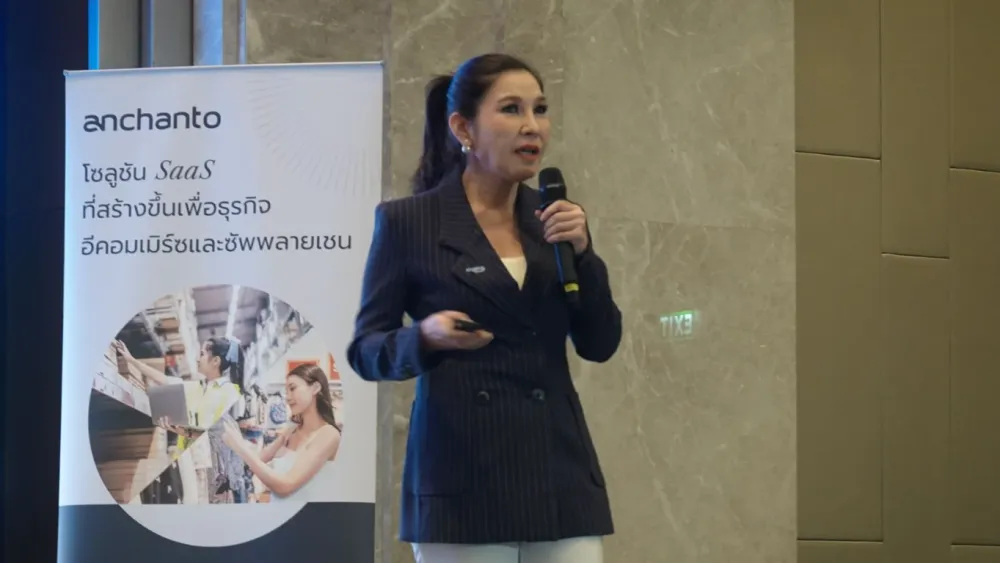
Speaking at the Retail Asia Summit in Thailand, Siriporn Dechsingha, chief corporate sustainability and communications officer at CP Axtra, said that implementing zero-waste programmes can help firms cut costs.
For retail investors and finance teams increasingly scrutinising the return on ESG spending, Dechsingha rebuffed that a well-engineered waste management system pays for itself.
CP Axtra, which operates the Makro and Lotus's store networks across more than 2,700 outlets and serves over 34 million customers, was generating upwards of 100 tonnes of waste daily at its Makro stores alone just two to three years ago.
Through a combination of artificial intelligence-driven demand forecasting, packaging innovation, multi-channel recycling infrastructure, and cross-sector partnerships, that figure has been cut by half.
The savings are embedded at multiple levels of the value chain. Upstream, breathable packaging technology extends the shelf life of fresh produce, reducing spoilage before products reach the shop floor.
Midstream, AI demand forecasting — deployed for three years — aligns orders precisely with daily sales patterns, directly reducing overstock and the markdown costs that follow.
Downstream, surplus food is redirected through the company's community donation programme rather than being written off entirely, whilst organic waste is converted into Black Soldier Fly larvae — a protein source that, at nearly 15% yield relative to input weight, has commercial value in the animal feed market.
On the plastics side, recovered PET bottles collected through nearly 170 in-store recycling stations are upcycled into carrier bags and staff uniforms.
“Converting what would be a disposal cost into a supply chain input and in 2023 alone, over 2.5 million bottles were recovered and fed back into the recycling system,” Dechsingha said.
The aggregate financial impact is implied by the operational numbers—over 75,000 tonnes of waste diverted from landfill in 2023, comprising 16,000 tonnes of food waste and approximately 60,000 tonnes of recyclable materials.
"Waste is not just an operational issue; it is a global crisis," she said — one that, in CP Axtra's telling, the retail sector is uniquely placed to monetise its way out of.














 Read Here
 Advertise
 Sign Up