Convergent commerce takes hold as Thai shoppers navigate choice overload
Ipsos data shows high AI acceptance amongst Thais and rising decision fatigue in retail behaviour.
Thai consumers are showing strong openness to artificial intelligence (AI) in retail, even as declining confidence and rising decision fatigue reshape how they shop, according to Ipsos.
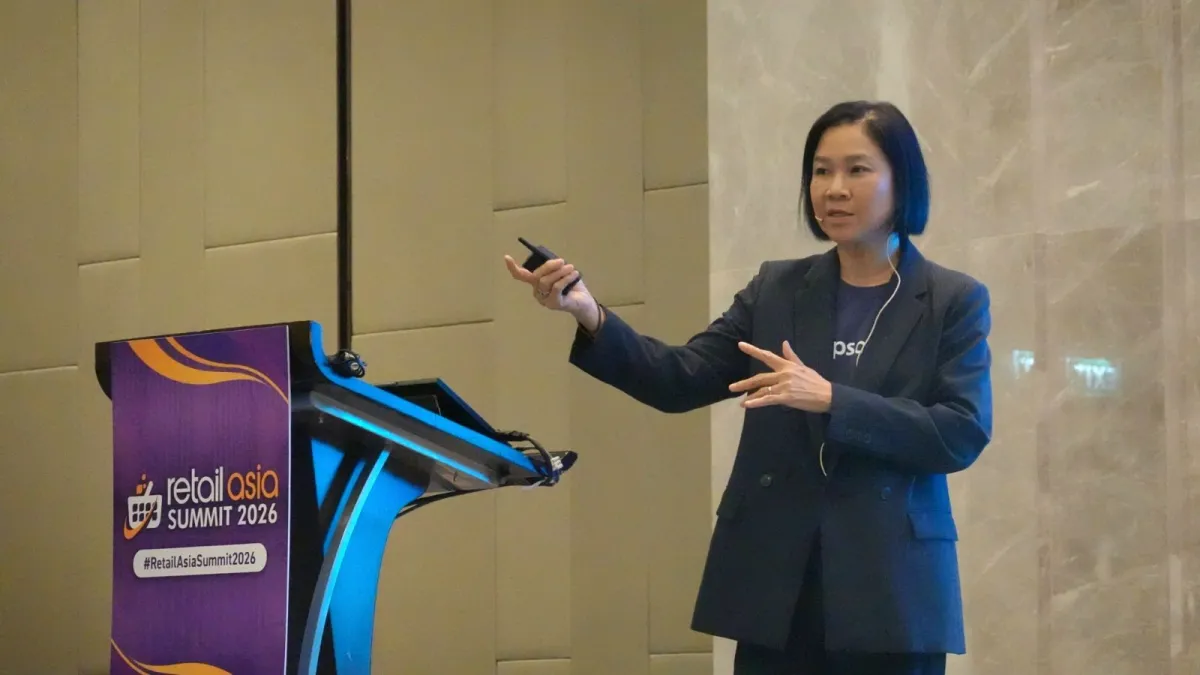
Speaking at the Retail Asia Summit—Thailand 2026, managing director Yupin Muntzing said Thai shoppers are increasingly caught between conflicting expectations: immediacy and affordability versus long-term value and security.
“Consumers want speed but also assurance, convenience but also value,” she said. “Retail is no longer just about selling—it’s about resolving that tension.”
The data points to underlying strain in consumer sentiment. According to the Ipsos Global Trends 2025 Thailand report, 83% of Thai respondents believe the world is changing too fast, whilst 72% say they feel overwhelmed by too many choices.
The research also indicates a decline in optimism, which Yupin described as a “crisis of confidence” shaping spending behaviour.
Despite this, Thailand remains relatively receptive to AI in commerce. Ipsos data shows 78% of respondents believe AI-powered products bring more benefits than drawbacks, whilst 69% say AI will save them time.
But trust remains conditional.
“What do we do with their data, how is it used, and how does AI benefit them—that needs to be transparent,” Yupin said. “Trust exists, but it is fragile.”
She added that consumers are increasingly sensitive to how AI is deployed in retail environments, particularly around data use and personalisation.
Retail behaviour is shifting beyond omnichannel models into convergent commerce, where online and offline channels operate simultaneously rather than separately.
“Consumers no longer think in terms of online versus offline,” Yupin said. “The question is where the right moment is—not which channel to use.”
However, the convergence is also exposing execution gaps. Ipsos found 73% of consumers expect a good experience, but 55% say brands fall short of that promise.
Nearly half said poor experiences would reduce their spending.
Ipsos data shows experience is becoming a primary driver of purchase decisions, whilst word-of-mouth remains a key acquisition channel.
According to Ipsos CX Global Insights 2025, 86% of Thai consumers say recommendations influence their decision to try a brand, compared with 56% globally.
Amongst Gen Z consumers, 63% trust influencer recommendations more than brand messaging.
Retailers are increasingly positioning AI beyond cost reduction, focusing instead on personalisation and decision support.
Yupin said AI is expected to play a growing role in reducing friction in the customer journey—from product recommendations to simplified decision-making.
At the same time, she stressed that human roles remain central in managing empathy and emotional support, particularly when AI systems fail or fall short of expectations.






















 Read Here
 Advertise
 Sign Up