Indonesia’s consumers are becoming more selective with every purchase
Only 12% of Indonesians remain loyal to regular brands, whilst 80% now shop through live commerce.
Indonesia’s consumers are becoming more price-sensitive and prioritising value over brand loyalty, according to new data from NielsenIQ.
The findings were presented at the Retail Asia Summit 2026, where Rusdy Sumantri, Director - Strategic Analytics and Insights at NielsenIQ, said consumers are “no longer spending freely” and have become “more selective and much more rational when deciding what deserves their money.”
Food inflation has become the country’s top consumer concern, cited by 27% of respondents, followed by fears surrounding economic downturns and the ability to afford basic necessities. The pressure is changing not only what consumers buy, but how they shop.
NielsenIQ found that consumers are actively comparing prices, reducing unnecessary purchases, and reassessing loyalty towards brands. At the same time, nearly half of promotions in Indonesia fail to generate incremental growth, highlighting how discount-driven strategies are becoming less effective in driving sustainable sales.
“Promotions still attract shoppers, but not every promotion creates growth,” Rusdy said. “Consumers are becoming smarter in deciding which offers are actually valuable.”
Instead of simply searching for cheaper products, consumers are increasingly evaluating overall value, including functionality, relevance, and practical benefits.
“Price remains important, but consumers are now weighing usefulness, quality, and relevance at the same time,” Rusdy said. “Brands can no longer rely only on promotions or visibility.”
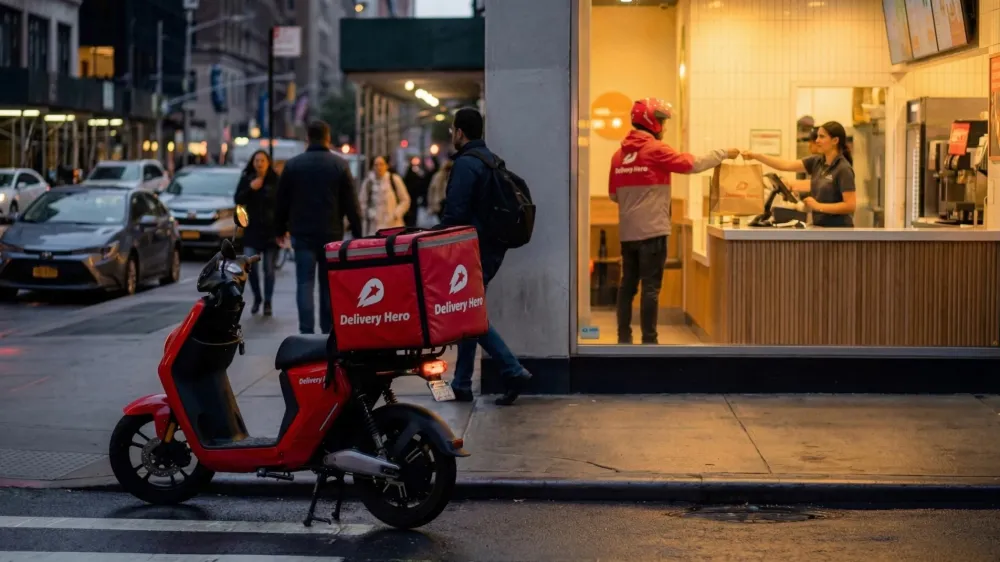
The shift is also changing shopping patterns across Indonesia’s retail market. Consumers are moving away from large pantry restocking trips and increasingly relying on smaller, urgent shopping missions through minimarkets and convenience-driven retail formats.
Retailers are simultaneously facing a shrinking attention window in stores. NielsenIQ estimates shoppers now spend an average of only six seconds in front of shelves before making purchase decisions, whilst 60% of buying decisions are still made in-store.
“Consumers are overwhelmed by too many choices and repetitive product claims,” Rusdy said. “Simpler assortments and clearer communication are becoming much more important.”
Meanwhile, live commerce continues gaining momentum across Indonesia’s digital retail ecosystem. NielsenIQ data showed that 80% of Harbolnas shoppers engaged with live streaming features, whilst more than half purchased products through affiliate links, mainly via TikTok and Instagram.
“Shopping is becoming more integrated with entertainment and social interaction,” Rusdy said. “Consumers want engagement, recommendations, and convenience in one experience.”
The findings reflect a broader shift happening across Indonesia’s retail industry. Consumers are still spending, but they are becoming far more selective about what deserves their money.

















 Read Here
 Advertise
 Sign Up