Japanese consumers seek quality and convenience despite economic caution
Convenience is a top priority for 82%.
Japanese consumers continue to demonstrate cautious economic outlooks whilst maintaining high expectations for product quality, convenience, and innovation, according to Roland Berger’s Asia Consumer Study 2026.
Only 15% of consumers in Japan expect their income to grow, whilst 60% anticipate no change, reflecting a generally conservative financial sentiment.
Despite this, quality remains a top priority, with 63% of consumers citing the importance of brand reputation and product excellence when making purchasing decisions.
This trend is particularly evident in essential sectors such as groceries, healthcare, and personal care.
Japan’s rapidly aging population is also significantly influencing market demand. Consumers aged 50 and above are increasingly prioritising healthcare-related products and services, with nearly half identifying it as a key spending focus—almost double the rate of younger groups.
Additionally, 38% of this demographic plan to increase their spending, driving growth in areas such as supplements, functional foods, mobility aids, and home-based services. This shift is accelerating innovation centered on accessibility, comfort, and age-adaptive design.
Convenience remains a defining factor in Japanese consumer behavior, with 82% citing it as their top consideration.
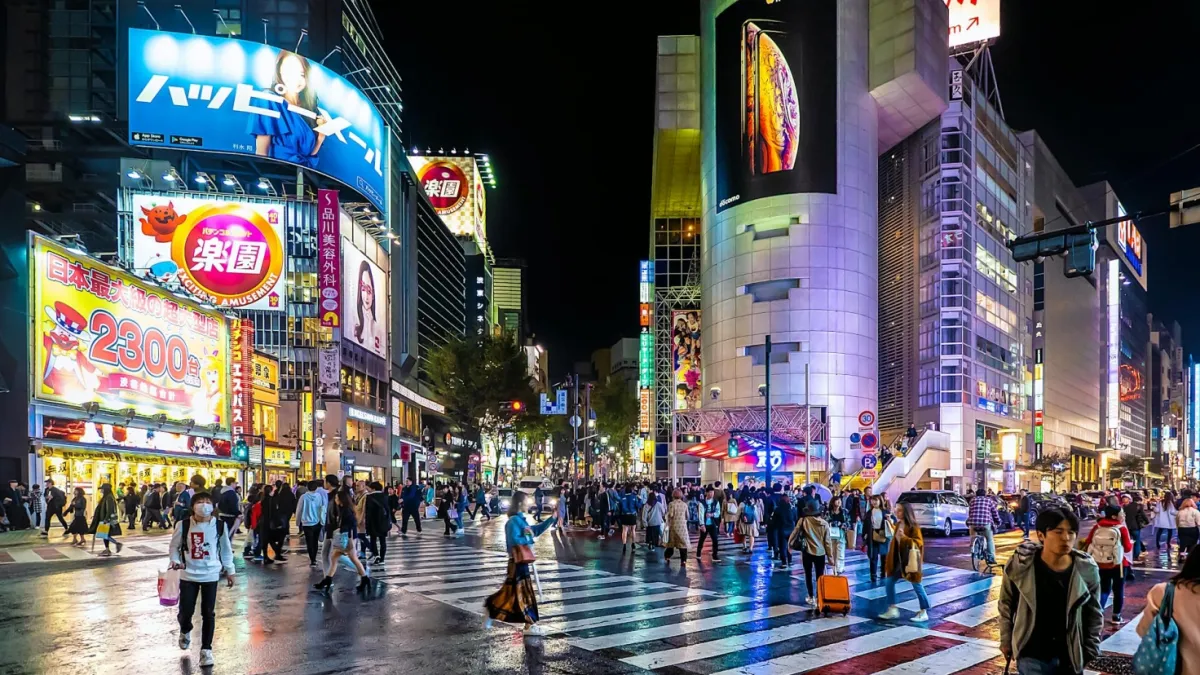
Convenience stores, or “konbini,” continue to thrive as essential retail hubs, offering services ranging from fresh meals to bill payments and parcel collection. High expectations for speed, cleanliness, and product variety have reinforced a retail model focused on small-format stores and frequent purchases.
To remain competitive, brands are investing in product innovation, creating compact, ready-to-consume, and easy-to-carry items that balance quality with convenience.
Whilst price sensitivity persists, especially amongst lower-income groups, many consumers are still willing to pay a premium for trusted brands and superior craftsmanship, highlighting the importance of brand loyalty.
Physical retail spaces also remain highly relevant. Around 69% of consumers cite the in-store experience as their primary reason for visiting shops.
Although e-commerce continues to grow, consumers favor platforms that provide seamless navigation and dependable delivery services.
Beyond essentials, Japanese consumers maintain strong spending on travel, seasonal festivals, collectibles, gaming, and niche hobbies.
Retailers are responding by turning shopping into an experiential activity through pop-up stores, character collaborations, and limited-edition releases—strategies that are particularly effective in attracting younger audiences.
Technology is also playing an increasingly important role, with one in four consumers expecting digital tools to enhance their shopping experience. Retailers are incorporating features such as interactive displays, digital art installations, and exclusive product launches to engage customers in a competitive market.
“Brands and retailers must focus on delivering consistent quality, building trust and providing exceptional in-store experiences,” the report said. “Digital investments should prioritize userfriendly interfaces and efficient logistics to meet the expectations of the discerning Japanese consumer.”



















 Read Here
 Advertise
 Sign Up