, South Korea
108 views
Photo by Pixabay from Pexels.

South Korea’s retail sales up 9.2% YoY in 2022

Both online and offline sales posted strong growth.

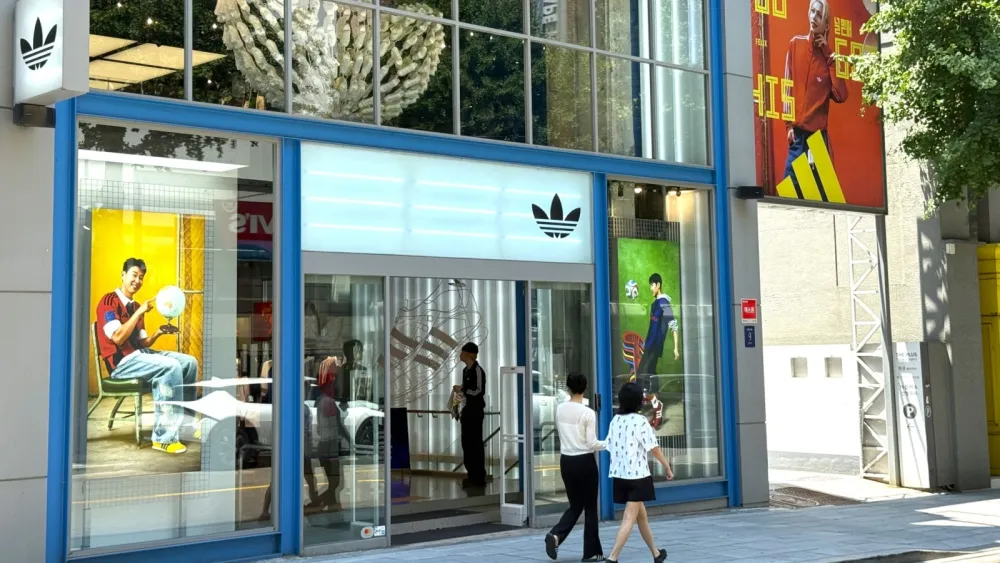
South Korea’s retail sales increased by 9.2% year-on-year in 2022, on the back of strong growth in online and brick-and-mortar sales, according to the Ministry of Trade, Industry and Energy.

In a statement, the ministry said online sales grew by 9.5% YoY, whilst brick-and-mortar sales jumped 8.9% compared to the same period last year.

Online sales were driven by cosmetic purchases, performance tickets, and travel reservations as e-coupons, convenience food products and outdoor activities become more popular.

READ MORE: Weekly News Wrap: Asian retailers ready for China rebound; South Koreans lead as world’s biggest luxury spenders

Meanwhile, the rise of close proximity shopping and a base effect from the pandemic boosted the sale of offline retailers.

Department store sales were up by 15.7%, whilst convenience store chains saw a 10.8% increase in sales. Sakes at hypermarket chains saw a 1.4% uptick.

On the other hand, super supermarket operators posted a 0.2% decline as sales of agriculture and fishery products, and daily necessities saw decreases.

Join Retail Asia community
Since you're here...

...there are many ways you can work with us to advertise your company and connect to your customers. Our team can help you design and create an advertising campaign, in print and digital, on this website and in print magazine.

We can also organize a real life or digital event for you and find thought leader speakers as well as industry leaders, who could be your potential partners, to join the event. We also run some awards programmes which give you an opportunity to be recognized for your achievements during the year and you can join this as a participant or a sponsor.

Let us help you drive your business forward with a good partnership!

Top News

MINISO Land opens first flagship store in Australia
MINISO Land Sydney offers 7,000 SKUs with 70% of products being IP collaborations.
Stores
Asia Pacific set to become the world’s largest engine of consumer demand
Bain and NIQ say companies need to re-prioritise markets and redefine consumer value beyond price.
Singapore consumers show rising openness to agentic AI shopping
By 2030, consumers expect about 10% of their online purchases to be made through AI agents. 
Global fashion executives expect tougher 2026 as growth stays muted
Brands are expected to build GEO capabilities to optimise for generative engines and prepare for agentic commerce.