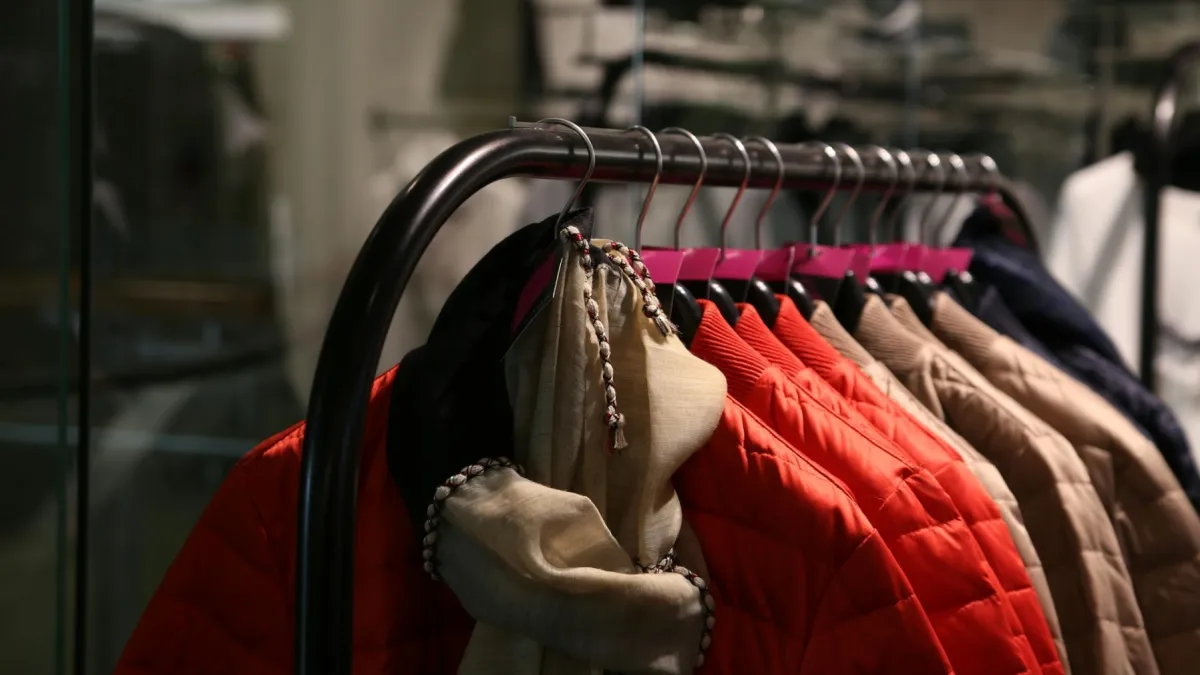
Rising costs and low consumer confidence damp fashion growth outlook for 2026
Emerging markets are offering growth opportunities, whilst mature markets expand slowly.
The fashion industry enters 2026 with a cautious growth outlook, as cost pressures and subdued consumer confidence temper expectations, according to Euromonitor International.
The report predicts that growth through 2030 will remain moderate and uneven, with emerging markets offering key opportunities, whilst mature markets are expected to expand more slowly.
Widening economic disparities are reshaping the fashion landscape, creating a stark divide between high-end and mass-market consumers.
Luxury brands and investment pieces are thriving amongst affluent buyers, whilst mass-market labels are increasingly focusing on budget-friendly offerings to appeal to cost-conscious shoppers.
Mergers, acquisitions, and initial public offerings are becoming crucial tools for fashion companies navigating global volatility.
Industry players are using these strategies to offset tariff impacts, enhance competitiveness, and create operational synergies.
Meanhwile, conglomerates are expected to divest portfolio outliers, whilst private equity firms stand ready to capitalise on emerging opportunities.
Moreover, sustainability is evolving from a regulatory requirement to a strategic business priority, designed to protect margins and strengthen brand influence.
The pre-loved market has become mainstream in Europe and the US, and is gaining traction in other regions. Brands are now compelled to develop resale strategies that boost both revenue and cultural relevance.
Artificial intelligence is also increasingly shaping consumer behavior, enabling seamless online and offline shopping experiences.
AI-powered discovery tools and agentic AI are also changing how shoppers find and engage with products.
“Brands need to innovate to create more emotional connections and foster deeper loyalty,” the report said. ”Community engagement is becoming a priority for fashion businesses.”















 Read Here
 Advertise
 Sign Up