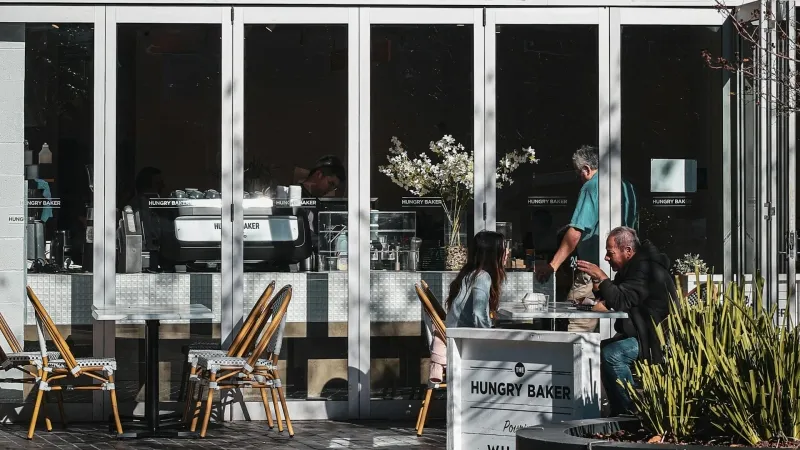
Cafés and restaurants drive retail sales growth across Australia
Household goods and department stores also saw moderate rises.
Household retail spending in Australia rose 5% year-on-year in January 2026, reaching $38.63b, according to new data from the Australian Bureau of Statistics (ABS).
Spending increased from $36.79b in January 2025, indicating consumers continued to spend after the peak holiday trading period, despite ongoing cost-of-living pressures.
All major retail categories recorded annual growth. Cafés, restaurants and takeaway food services led with an 8.7% increase, followed by other retailing at 7.8%, and clothing, footwear and personal accessories at 6.1%.
More moderate growth was seen in household goods retailing, up 4.1%, and department stores and large online retailers, up 3.7%, reflecting continued pressure on household budgets.
Spending growth was broadly consistent nationwide. Western Australia recorded the strongest rise at 6.2%, followed by Queensland (5.9%), South Australia (5.1%) and New South Wales (4.7%).
Glenn Fahey, chief economist at the Australian Retail Council, said households remain cautious but continue to spend where budgets allow.
“January retail spending shows Australian households continue to spend carefully, with steady growth across all categories following the peak trading season,” he said. “Consumers remain highly price-sensitive and are continuing to prioritise value as they manage ongoing cost-of-living pressures.”
Fahey said the January figures were recorded before several developments that could affect consumer sentiment, including the February interest rate increase by the Reserve Bank of Australia and escalating geopolitical tensions in the Middle East.
If global instability leads to sustained increases in oil and energy prices, it could place further pressure on inflation and weigh on consumer confidence,” he said.
Fahey added that retailers are also facing rising operating costs, including energy, logistics, wages, rents and regulation.
In its pre-Budget submission, the Australian Retail Council has called on the federal government to improve retail productivity and reduce regulatory costs that can ultimately push up prices for consumers.
“Retail employs more than 1.4 million Australians and plays a critical role in communities across the country,” Fahey said. “It’s imperative that government policies back the retailers that back Australia — supporting investment, productivity, and the ability for businesses to keep prices competitive for consumers.”


















 Read Here
 Advertise
 Sign Up