Online grocery weakens South Korea hypermarket expansion
Department stores are still gaining from tourism and premium demand.
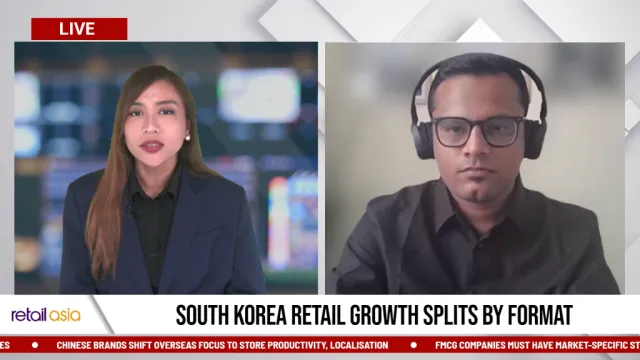
South Korea’s retail investment outlook is splitting by format as online grocery growth weakens the case for new conventional hypermarkets whilst department stores continue to benefit from premium spending.
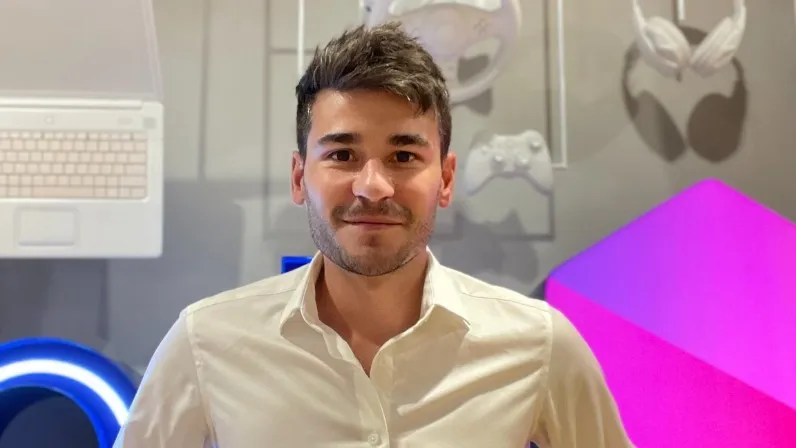
Department-store sales rose 20.1% in the first half of 2026. Shubhobid Mukherjee, Project Lead for New Emerging Opportunities at Mordor Mordor Intelligence, said international tourist arrivals increased by just over 20%, whilst overseas premium-brand sales grew nearly 31%.
Domestic consumers also supported luxury, fashion, and high-end lifestyle spending as consumer sentiment improved.
Mukherjee said department stores are broadening their appeal through beauty, dining, and entertainment, helping draw both younger shoppers and international visitors.
If tourism and luxury demand cool, he expects slower same-store sales growth, heavier promotions, and weaker returns on store renovations and luxury expansion.
Grocery retail is moving in the opposite direction. Online food sales rose around 11% in the first half, whilst offline food sales declined 0.5%.
Mukherjee said conventional hypermarkets need a clearer role through bulk value, differentiated products, fresh food, or integrated fulfilment.
“Hypermarkets need to give customers a reason to visit,” he said.
Existing stores can also support online order fulfilment and click-and-collect services rather than relying only on walk-in traffic.
For future investment, Mukherjee said he would avoid adding conventional hypermarkets in mature urban markets where online grocery competition is already intense. He cited Home Plus, which announced plans in June to close 37 of 104 stores, although financial restructuring was also a factor.
Convenience stores, by contrast, grew 3.7% in the first half, showing that proximity-led formats continue to attract demand.
For retailers, capital is increasingly favouring formats with clearer customer value and stronger productivity.










 Read Here
 Advertise
 Sign Up






Commentary
Human connection is becoming a luxury. What does it mean for innovation?