Delivery gaps weaken Hong Kong omnichannel retail
Limited fulfilment options and higher selling costs are complicating online growth.
Hong Kong retailers are finding it harder to turn online traffic into repeat business as fulfilment remains less developed than in Mainland China and parts of Southeast Asia.
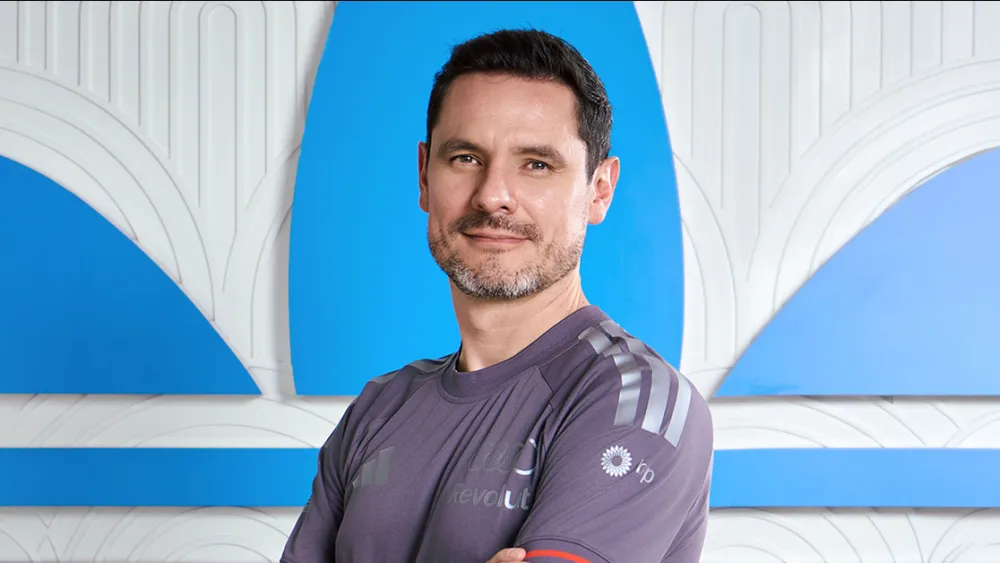
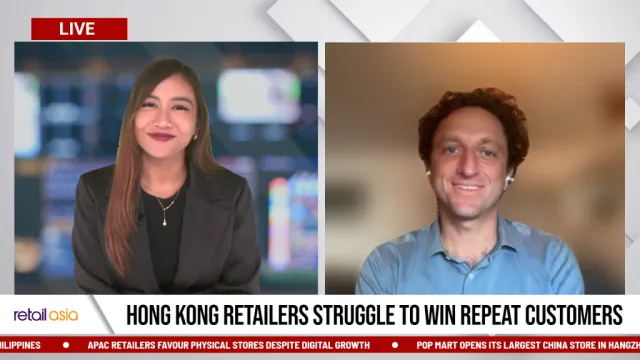
Diego Dultzin, Co-Founder of OnTheList, said fast and same-day delivery is still less widely available in Hong Kong, whilst marketplace options remain limited.
“The logistics is not as developed as in other markets like Mainland China,” Dultzin said.
For retailers, that raises the cost of serving online customers and makes it harder to match delivery expectations set by larger regional e-commerce markets.
Promotions remain useful for clearing past-season inventory, but Dultzin said retailers need to be more selective about how discounts are deployed. The issue is not only whether promotions generate traffic, but whether they protect margins, preserve brand positioning and reach customers likely to buy again.
Competition from Mainland Chinese retailers is also adding another layer of pressure. Dultzin said larger operators benefit from scale, but their commercial models can come with multiple charges beyond headline commissions, including payment, delivery and engagement fees.
That makes total selling cost a more important consideration for brands deciding where to allocate inventory and marketing spend.
For Hong Kong retailers, the trade-off is increasingly between reach and economics. Wider distribution can increase exposure, but higher fees and fulfilment costs can reduce the value of each transaction.
Smaller retailers may therefore need to focus more closely on customer acquisition costs, repeat purchase rates and channel profitability rather than traffic alone.
The broader challenge is to build an omnichannel model that improves convenience without relying excessively on discounting or costly distribution.
Dultzin will also speak at the Retail Asia Summit in Hong Kong on November 4.












 Read Here
 Advertise
 Sign Up





Commentary
Human connection is becoming a luxury. What does it mean for innovation?