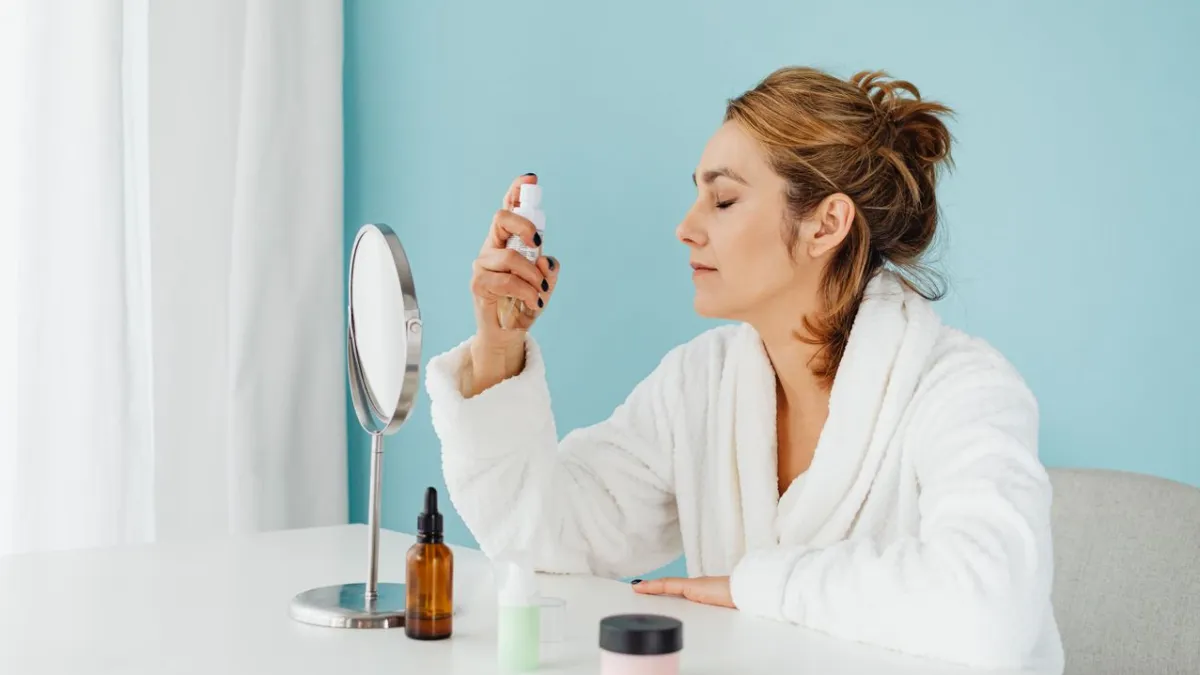
APAC beauty brands shift towards skin longevity
About 72% of Thai Gen Z prioritise proactive skin health.
Skincare is moving from conventional anti-ageing claims towards long-term skin health, with consumers seeking prevention, measurable results and treatment-inspired solutions, according to Mintel’s APAC Beauty and Personal Care Landscape 2026 report.
The report highlighted “skinspan” as an emerging proposition focused on maintaining skin health, function, and appearance over time.
The opportunity for brands is to make longevity meaningful through clinically supported ingredients, clear efficacy claims and product experiences that connect daily skincare with aesthetic treatments.
Mintel also sees growing interest in “inside-out” skincare, combining topical products with ingestible solutions such as supplements to support long-term skin vitality.
The emerging skinspan concept allows brands to position longevity around sustained skin performance rather than reversing ageing.
The trend is particularly relevant in APAC, where consumers are increasingly knowledgeable about ingredients, receptive to aesthetic-inspired products and more likely to favour brands that demonstrate expertise.
In Thailand, 72% of Gen Z consumers say taking proactive steps for their skin’s future appearance is very important.
Mintel said brands should define longevity through practical outcomes such as barrier resilience, recovery, firmness and repair. Skin longevity is also expanding into ingestible and nutricosmetic products, creating opportunities to position skincare as an inside-out routine.
Consumers are demanding more than trending ingredients and broad claims, increasing the importance of clinical validation, derm-signalled propositions and ingredients associated with visible treatment outcomes.
In Thailand, 63% of female Gen Z consumers say it is worth spending more on aesthetic beauty treatments than beauty products.
This creates room for APAC brands to premiumise skincare while building consumer trust. However, Mintel said longevity claims will need substantiation through evidence, expert endorsement or measurable results.
Brands can strengthen their proof points by explaining how ingredients work, what benefits they provide and how those benefits support long-term skin vitality.
The shift also increases the importance of partnerships with medical and research institutions, as well as careful management of regulatory boundaries as brands move closer to treatment-led claims.
The same standard applies to ingestible skincare and nutricosmetics. Combined topical and ingestible products will be more convincing when brands can demonstrate a specific synergistic benefit rather than rely on general wellness claims.
The next stage of skinspan innovation is expected to focus less on broad longevity claims and more on personalised products, targeted delivery and optimisation.
Advanced delivery technologies and diagnostics can make skin longevity propositions more tangible as aesthetic expectations move into mainstream skincare.
Shiseido’s MicroClick technology, for example, is designed to enhance active delivery and skin stimulation, while Lancôme’s Rénergie Nano-Resurfacer 400 uses nanochip technology to bring clinic-inspired results into home care.
Beauty is increasingly incorporating wellness principles as consumers connect stress, sleep, mental wellbeing and physical resilience with visible appearance.
Mintel also identified opportunities to connect beauty with broader wellbeing and preventive self-care.
Wellness is moving beyond mood, ritual and lifestyle positioning towards functional outcomes. Consumers are increasingly interested in preventive beauty, stress management and proactive health, creating demand for products that explain how wellbeing affects visible skin and body results.
APAC is particularly suited to these propositions as consumers show growing interest in beauty products that offer efficiency, science and broader life-enhancing value.
Brands can connect internal and behavioural factors with external outcomes, such as poor sleep affecting recovery or stress contributing to signs of fatigue.
The report said that sleep, stress, and metabolic change are emerging as important areas for beauty innovation.
It pointed to growing demand for stress-relief solutions, increased interest in preventive beauty and opportunities to connect sleep health and longevity science with more proactive beauty routines.
The broader opportunity is to make wellness measurable, functional and visibly relevant to physical health cues.
Bodycare could translate these trends into higher-value daily interventions. Mintel showed that bodycare launches have remained broadly flat as a share of overall skincare innovation over the past five years, despite renewed consumer interest in the category.
This gap creates room for brands to move bodycare beyond basic maintenance through more targeted solutions.
Opportunities include advanced actives and delivery technologies targeting sensitivity, recovery, firmness, and skin resilience.
Brands can also incorporate mood and relaxation cues through botanicals and stress-related associations.
Peptides offer further potential for premiumisation, helping position bodycare as treatment-adjacent rather than simply moisturising.
Growing demand for proof, functionality and self-directed optimisation is also driving interest in ingredients and technologies associated with aesthetic clinics.
Mintel identified this movement towards clinic-adjacent innovation, where consumers seek targeted repair, visible results and technical sophistication without visiting a clinic.
PDRN is a notable example. Its origins in dermatology and aesthetic treatments give it clinical credibility, while its associations with repair, hydration, firmness and radiance translate into consumer skincare claims.
In APAC, clinic-origin ingredients can benefit from the combination of professional credibility and social amplification. APAC facial skincare launches mentioning PDRN or salmon increased from 0.3% in March 2023-February 2024 to 1.2% in March 2024-February 2025.
For brands, the opportunity is to move beyond ingredient novelty and show how these actives fit into specific products, routines and everyday use cases.
Functional beauty is also moving towards advanced ingredients that combine performance with gentleness, naturalness or biotechnology credentials.
Amongst Indian adults who research ingredients before purchasing beauty and personal care products, 31% say they like using products with trendy ingredients. In South Korea, 30% of women aged 45 and above say new ingredients or claims encourage them to pay full price.
Global skincare launches featuring botanical or natural alternative claims increased from 13% in 2020 to 26% in 2025.
This gives brands opportunities to develop natural alternatives to established actives, as well as targeted solutions for concerns such as dark circles.
The direction is towards functional beauty that is not simply stronger, but smarter, more approachable and aligned with changing ingredient expectations.
Moreover, consumers are increasingly recognising that product efficacy depends on how ingredients are delivered, not just which ingredients are included. This is making delivery systems a strategic differentiator in functional beauty.
Spicules, for example, are tiny needle-like structures used to support active penetration. They can give at-home skincare a more treatment-like experience whilst maintaining accessibility.
The report showed that APAC accounted for 96% of tracked global skincare launches with a spicule claim in 2024, compared with 3% in Europe and 1% in North America.
Delivery technologies can also strengthen efficacy messaging by supporting enhanced penetration, targeted application and distinctive product experiences.
















 Read Here
 Advertise
 Sign Up