Can Chinese drink brands win over Southeast Asia?
Soft drink sales in the region are forecast to grow 3% annually to $29.7b by 2030.
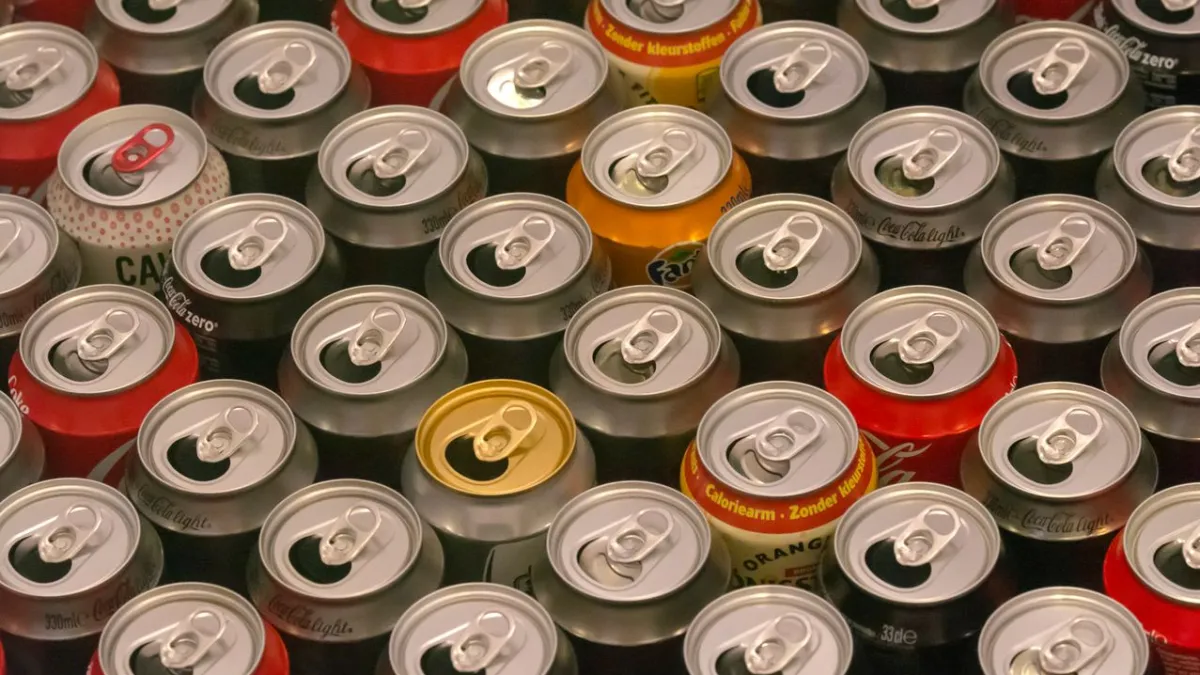
Chinese beverage companies are adapting products, prices, and distribution to gain market share in Southeast Asia, where the Coca-Cola Company, PepsiCo, Inc., and Nestlé S.A. benefit from wide retail reach and consumer trust.
“Southeast Asia remains an attractive region for Chinese beverage companies to expand and grow their global footprint,” Euromonitor International Ltd. said in an October report.
Local brands have traditionally competed through affordable prices, wide availability, and flavours suited to local tastes. But greater health awareness and social media platforms like TikTok are helping Chinese brands reach consumers.
Retail value sales of soft drinks in the region are projected to grow 3% annually to $29.7b by 2030 from 2025, Euromonitor said.
After coffee and tea chains such as Luckin Coffee, Inc. and Chagee Holdings Ltd. expanded across the region, beverage makers including Beijing Genki Forest Beverage Co., Ltd., Eastroc Beverage (Group) Co., Ltd., and Nongfu Spring Co., Ltd. have also moved into local markets.
Chi Forest entered Indonesia in 2022 with zero-sugar sparkling water, selling through convenience store chains Indomaret and Alfamart, which had a combined 44,953 outlets.
Its products appealed to consumers seeking less sugary drinks, whilst social media marketing helped build brand awareness.
The company secured halal certification from Indonesia’s Halal Product Assurance Agency for products made in China before launching iced tea in June 2025.
Eastroc Beverage invested in production facilities in Indonesia and Vietnam from 2024 and established a unit in Malaysia. It also adapted its Dongpeng energy drink packaging and marketing for Malaysian workers.
The company posted 9% volume growth in Malaysia's energy drink market, supported by lower prices and distribution through 99 Speed Mart Retail Holdings Berhad.
Nongfu Spring’s Cha Pi has also gained popularity in Malaysia, where its English-language branding has helped generate word-of-mouth recommendations and social media attention.
“Chinese beverage brands cannot simply rely on a single hero brand for success,” Euromonitor said. “Instead, they leverage multiple brands to succeed and capture new consumption occasions.”
Eastroc introduced its Water Boost hydration drink in Thailand and Vietnam to reach consumers seeking alternatives to energy drinks.
However, Chinese brands must compete with Coca-Cola, Pepsi and Nestlé, which have extensive distribution networks and well-known brands in markets such as the Philippines and Vietnam.
Euromonitor said companies must tailor products to local markets and invest in distribution and partnerships rather than rely on strategies used in China.
Questions to ponder
- How can Chinese beverage brands win market share from established rivals without matching their distribution networks?
- Will localised products and affordable prices be enough to build consumer trust?
- Can Chinese beverage companies turn early sales growth into lasting market share across Southeast Asia?







 Read Here
 Advertise
 Sign Up