Four Asia Pacific beauty growth engines global brands need to harness
From C-Beauty’s digital speed to A-Beauty’s trust economy, the region is no longer following the global beauty conversation but setting it.
For decades, beauty influence moved in a familiar direction: West to East. Today, that model has evolved. Across Asia-Pacific (APAC), consumers are not waiting for global brands to define the next category, ingredient or ritual. They are increasingly rewarding products that understand local culture, climate, skin needs and ideas of aspiration, whilst also exporting those preferences at remarkable speed.
As Lan Vu, Founder and CEO, BEAUTYSTREAMS, noted, the opportunity is substantial. Per Statista, the global beauty and personal care market is projected to generate approximately US$700b in revenue in 2026 and reach US$800b by 2030. However, market size is only part of the story. The more important shift is strategic: North Asia and Australia are producing distinct models of growth that are now influencing product development, retail, marketing, and consumer behaviour worldwide. China, Japan, South Korea, and Australia do not represent one regional trend but four different operating systems for beauty.
Chinese beauty (C-Beauty) is built on scale, premiumisation, and digital speed. Japanese beauty (J-Beauty) turns heritage into precision and guided discovery. Korean beauty (K-Beauty) makes clinical performance shareable. Australian beauty (A-Beauty) converts nature, sun protection, and sustainability into trust.
For global brands, the opportunity lies in understanding the logic behind these markets and adapting it strategically. APAC offers four distinct playbooks for growth, each providing valuable direction for market entry and expansion.
C-Beauty: Scale is no longer enough
China’s beauty market is entering a more sophisticated phase. The old shorthand affordable, fast, and trend-led style no longer captures the opportunity. C-Beauty is moving beyond fast trends and affordability into science, technology, cultural heritage and design. The new C-Beauty proposition is built on premium performance, cultural confidence and the ability to move from insight to launch at exceptional speed.
At the heart of this shift is structural premiumisation. Domestic brands are investing in research and development, advanced manufacturing, elevated packaging, and stronger brand worlds. They are competing for consumers who are willing to trade up when the product delivers visible efficacy, technological novelty, and a point of view that feels culturally relevant.
In China, premium does not always mean a higher price. It can mean a formulation that performs exceptionally well, a technology that feels innovative, an ingredient story rooted in local heritage, or a design language that signals confidence. The domestic challenger is no longer trying to look like an imported luxury brand and is increasingly defining its own version of prestige.
An equally important driver is social commerce as a decision engine. Platforms such as Douyin have collapsed the distance between awareness, education, trial and purchase. Live commerce goes beyond a sales channel, becoming a real-time laboratory where brands test product concepts, respond to consumer feedback, and convert cultural momentum into demand.
This changes the operating model. Content, community, and commerce are no longer separate functions. They are part of one launch system. Brands that can listen, respond, and iterate quickly have a structural advantage.
A further source of differentiation is the modernisations of Traditional Chinese Medicine (TCM). Ingredients such as pearl powder and local botanicals are being refined through biotechnology, formulation science, and contemporary design. The opportunity is not to reproduce tradition, but to make it legible to a modern consumer who values heritage grounded in evidence.
China’s international ambitions are also becoming harder to dismiss. The country exported approximately US$4.39b in beauty products in 2025, according to trade data compiled by Statista. That figure does not yet rival the largest established beauty exporters, but confirms the direction of travel: C-Beauty is moving from domestic scale to global relevance.
The C-Beauty lesson for brands is simple: Speed only matters when it is backed by substance.
J-Beauty: Quiet luxury paired with serious science
J-Beauty does not need to shout to compete. Its power comes from precision, restraint, and consistency.
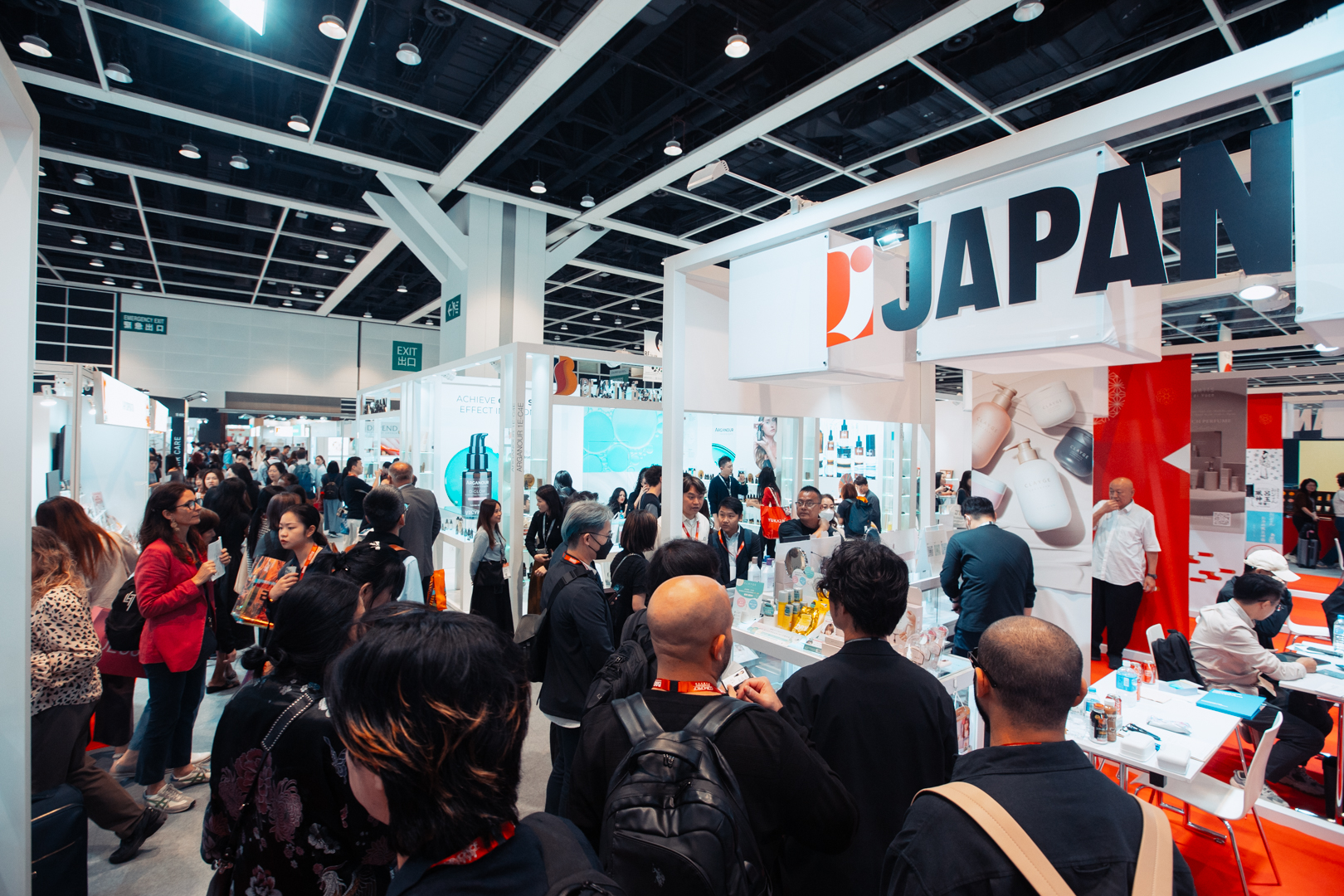
The Japanese ideal of “mochi skin”, plump, soft, smooth, and naturally refined, captures a wider philosophy of beauty. It reflects the cumulative result of a disciplined routine, carefully chosen ingredients, and long-term barrier health rather than dramatic transformation overnight.
That philosophy is now expanding into longevity, advanced skin and hair science, and specialised solutions. Japanese consumers have long rewarded reliability and technical discipline. In a global market crowded with claims, that creates a valuable form of differentiation: J-Beauty communicates premium through the confidence of what it chooses not to exaggerate.
Barrier care remains central. Ingredients such as rice, ceramides, marine minerals, and green tea are often presented through a language of ritual, quality, and care rather than hype. This is increasingly relevant to consumers who are moving away from over-treatment and looking for products that support skin resilience.
J-Beauty is also opening a new growth lane through fragrance and unisex self-expression. Scent is becoming less occasional and more everyday: a way to shape mood, identity, and personal space. Unisex compositions are gaining traction because consumers are moving beyond rigid gender codes and choosing fragrance according to personality rather than category convention.
Technology is helping make that choice more personal. AI-assisted scent discovery tools, including experiences such as KAOrium and iromaScents, are guiding consumers through a complex decision environment. AR and VR can add another layer, turning ingredients, craftsmanship, and sensory cues into an experience rather than a product description.
The strategic point is important. Japan is not using technology to make beauty louder, but to make discovery more considered.
The J-Beauty lesson is that heritage remains commercially powerful when reimagined through evidence, design discipline, and an elevated consumer experience.
K-Beauty: Make clinical credibility shareable
K-Beauty’s global influence has always been powered by its ability to make beauty visible. “Glass skin”, dewy, luminous, and deeply hydrated became a worldwide reference point because it was instantly legible on screen, easy to demonstrate, and highly shareable.
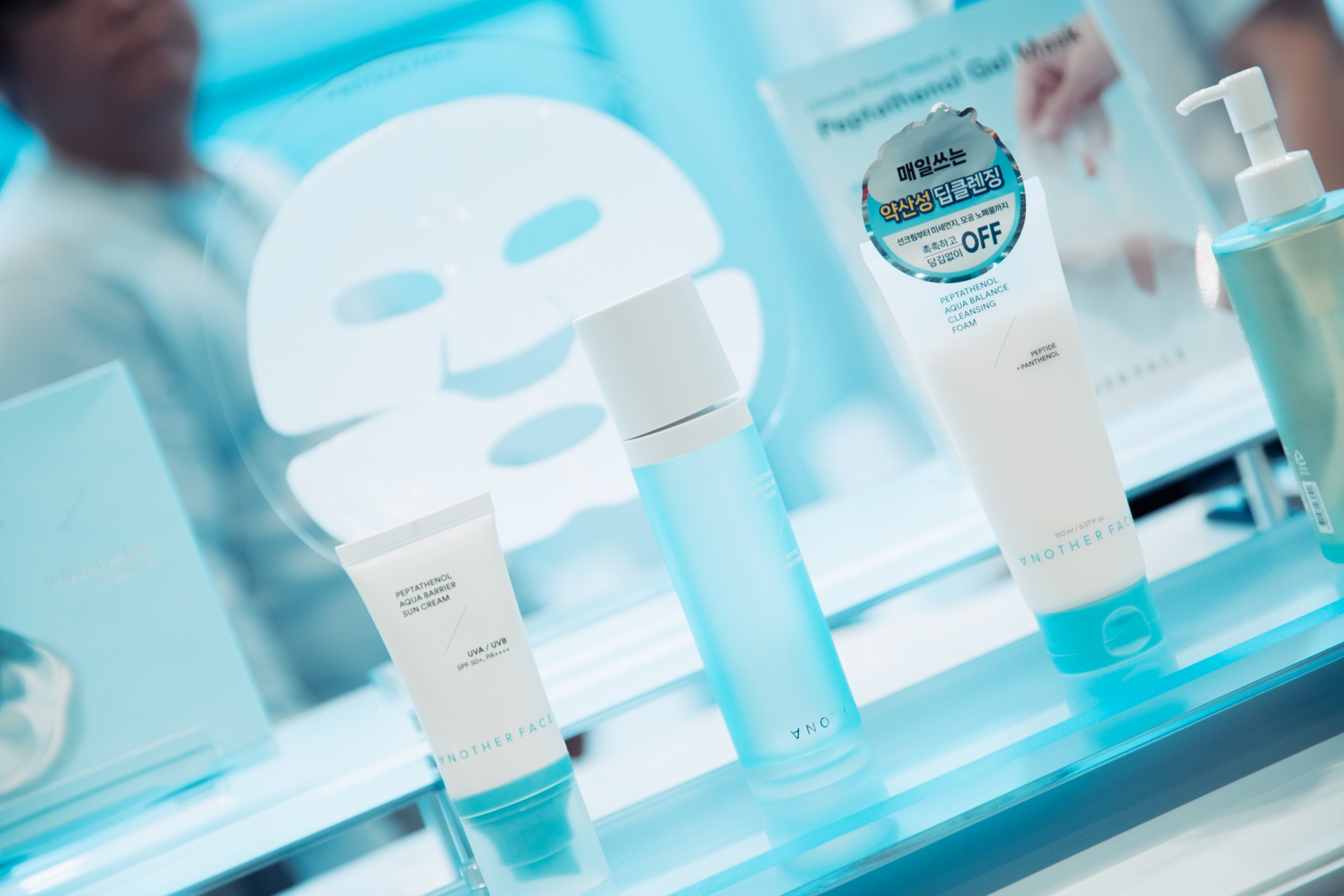
Its next chapter is more clinical, moving deeper into medicosmetics, beauty devices, and high-performance routines. Ingredients such as PDRN, exosomes, and tranexamic acid are gaining attention because they connect the promise of visible results with a more treatment-oriented vocabulary.
Nevertheless, clinical does not mean intimidating. K-Beauty’s advantage is that it makes performance accessible. The winning product often combines a credible active with a compelling texture, a distinctive format, an easy routine, and a strong visual story.
This is virality with credibility. Attention may begin with a creator, a texture or a package but it lasts only when the product delivers.
The market is also shifting from aggressive anti-ageing to slow ageing. Consumers are becoming more interested in protecting their skin over time: strengthening the barrier, managing irritation, supporting recovery, and maintaining quality. The focus is moving from fighting age to building resilience.
K-Beauty is exporting this logic across categories through “skincaring.” Makeup is absorbing skincare actives, with cushion compacts and complexion products increasingly designed to hydrate, comfort, and support the skin. Haircare is taking a similar direction, bringing ingredients such as cica and peptides into scalp and hair treatments.
The category boundaries are weakening because consumers now expect every product to earn its place in the routine. Performance and care are no longer competing claims.
Experience is equally important. Sensory textures, collectible packaging, mini formats, and destination flagships turn retail into content. The store becomes a place to test, learn, film, share, and belong.
The K-Beauty lesson is to make science desirable. The strongest innovation is not merely effective, it gives consumers a reason to talk about effectiveness.
A-Beauty: Trust is the product
A-Beauty operates on a different frequency. Its authority comes from function, transparency, and a strong connection to the realities of everyday life.
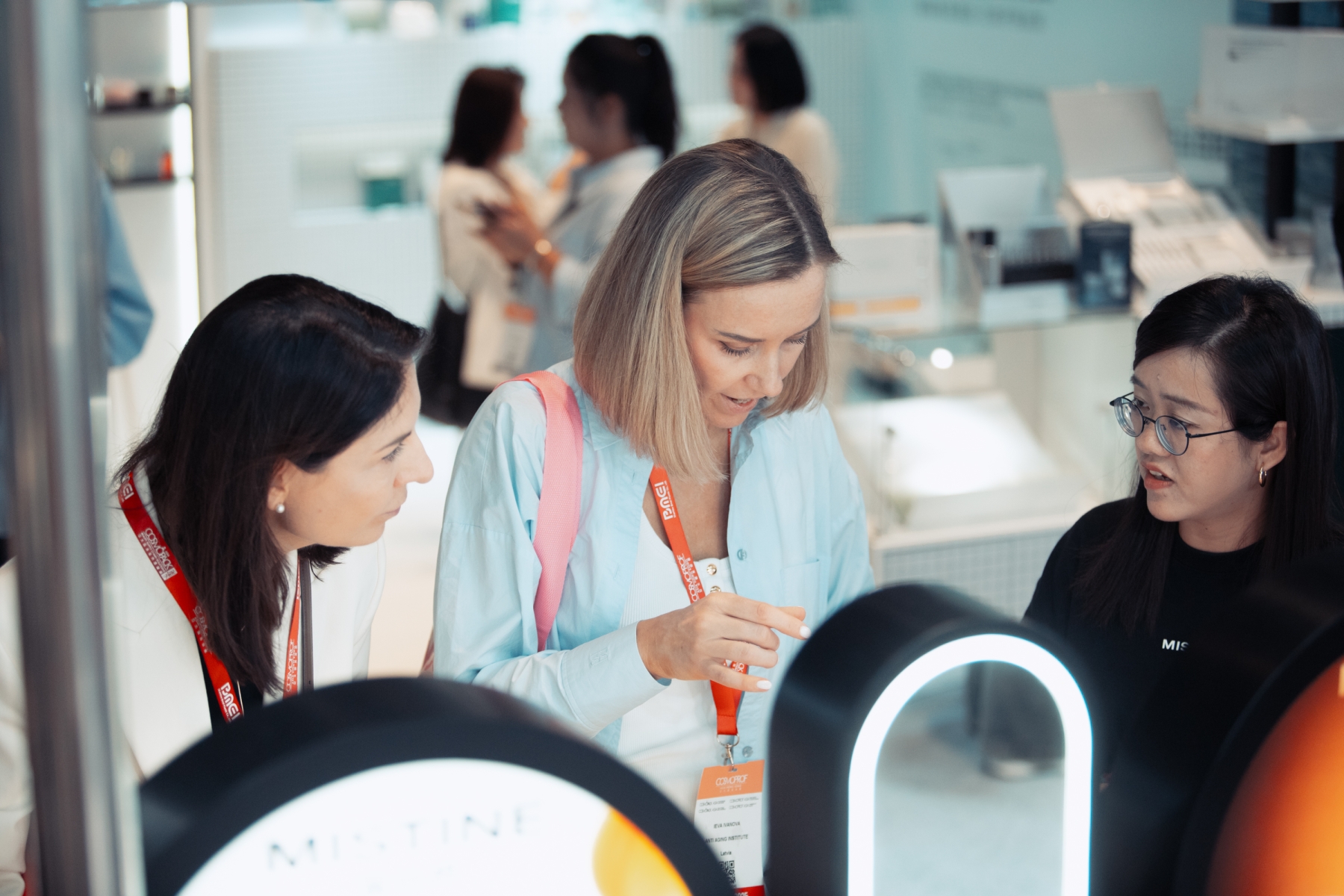
Australia’s beauty identity is shaped by a sun-centric culture, a strong interest in wellness, and a distinctive natural environment. The result is a proposition that goes beyond clean beauty, bringing together native botanicals, daily sun protection, sustainability, and climate-ready performance.
Daily SPF is not an optional finishing step, but a baseline. This has created demand for multifunctional sun care that combines protection with hydration, skincare benefits, and cosmetic elegance. The Australian sun-care market is forecast to continue growing, with one industry estimate projecting it to reach approximately US$923m by 2031, according to a TechSci Research report.
Native ingredients, including Kakadu plum, macadamia oil and tea tree oil, provide a clear sense of place. However, provenance alone is not enough and the opportunity is to connect native ingredients with measurable function, responsible sourcing, and formulations designed for demanding conditions.
Sustainability is also part of the trust equation. Consumers increasingly expect clarity around ingredients, packaging, manufacturing, and environmental impact. “Australian Made” can be a powerful marker, but the claim is strongest when it is supported by evidence.
The market is also advancing the convergence of inner and outer wellness. Supplements, nutrition, sleep, stress management, and topical skincare are increasingly understood as connected parts of a broader wellbeing system. Consumers are not abandoning efficacy, they are defining it more broadly.
The A-Beauty lesson is that natural positioning works when it is functional, transparent and built for real life. Clean is no longer the finish line; trust is.
Understanding APAC’s diversity - One region, four definitions of premium
The strategic mistake is to treat APAC as one consumer group with four localised campaigns, which is translation, not localisation.
True localisation should shape the product itself, ingredients, claims, textures, price architecture, communication, retail experience, and route to purchase, whilst recognising that premium refers to something different in each respective market:
Japan: Precision, restraint, curated experience
Korea: Clinical innovation made sensory and social
China: Domestic brands whose science, technology, and cultural confidence justify premium pricing
Australia: Safety, provenance, sustainability, real-world performance
Across all four markets, beauty is becoming increasingly consumer-defined than brand-defined, with efficacy, ingredients, identity, and experience overtaking heritage as purchase drivers. Digital is now the decision engine, not just a communications channel, as China’s social commerce, Japan’s digitally assisted discovery, and Korea’s content-led momentum show how closely discovery and conversion are connected. For global brands, APAC is a strategic intelligence network with multiple blueprints for growth: China’s digital speed, Japan’s refined science, Korea’s clinical virality, and Australia’s trust-led sustainability.
Cosmoprof Asia: Your Regional Compass in a Dynamic Market
APAC beauty’s influence lies in its diversity: China’s digital speed, Japan’s refined science, Korea’s clinical innovation, and Australia’s trust-led sustainability each offer a different blueprint for growth. Cosmoprof Asia brings these signals together, offering a valuable lens on how regional shifts are shaping product innovation, supply-chain development, and consumer expectations.
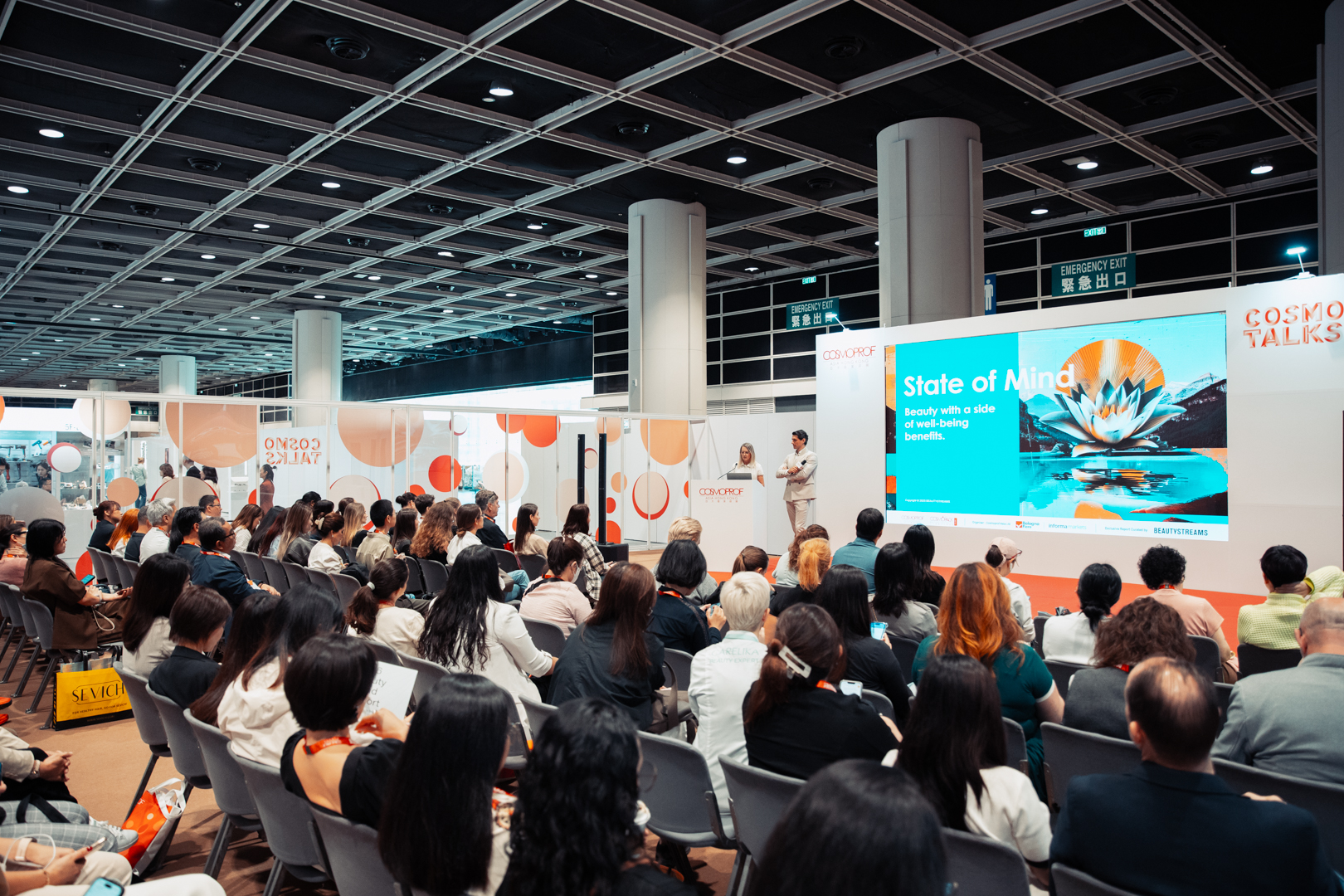
For brands looking to understand where beauty is heading, the next Cosmoprof Asia serves as an essential regional compass — not only as a showcase for emerging products and technologies, but as a platform for interpreting the cultural, commercial, and consumer shifts defining the next phase of global beauty. This November, visitors can explore these shifts firsthand, with BEAUTYSTREAMS sharing forecasts and expert insights into the trends redefining beauty across APAC and beyond.
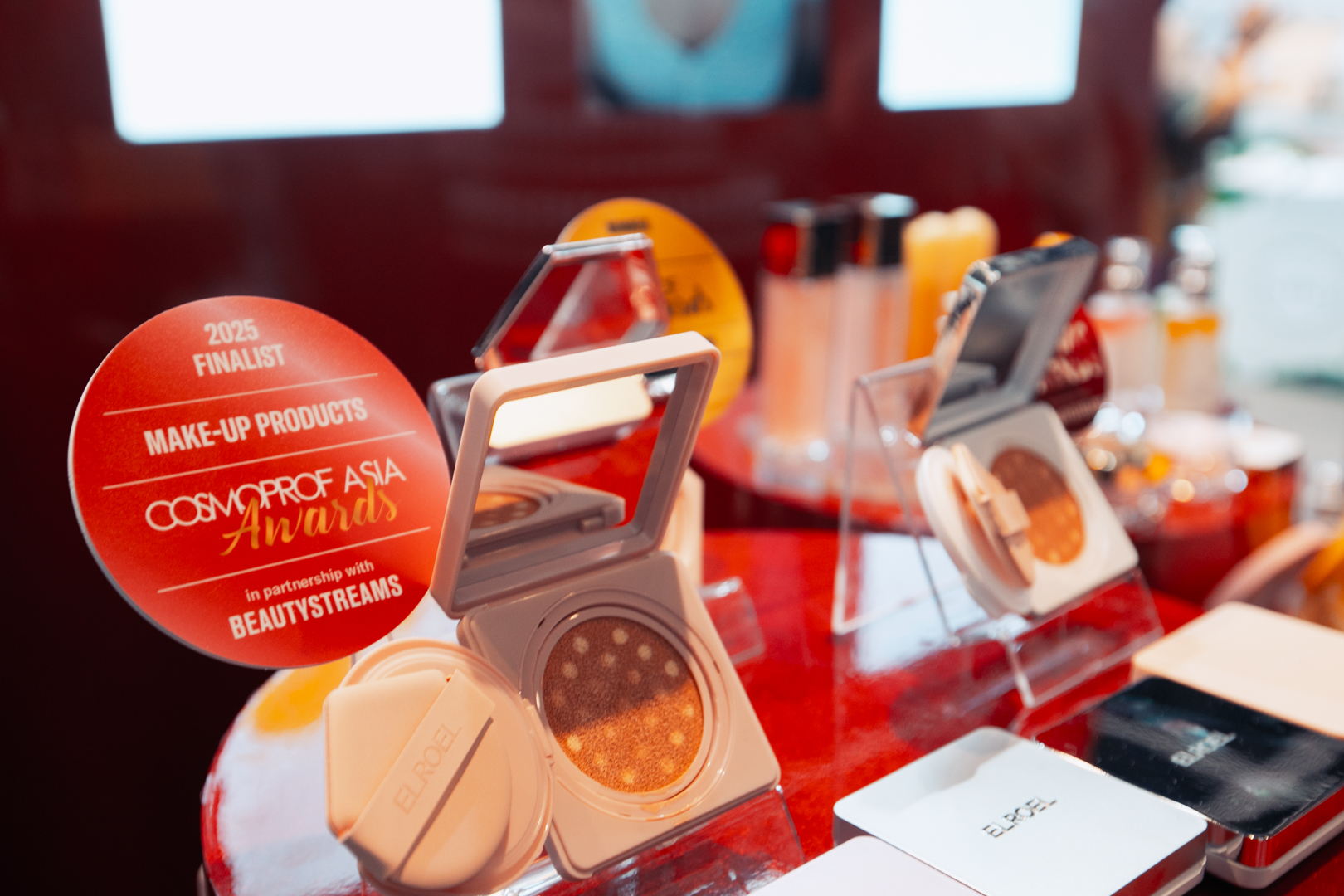
The message for brands is direct: there is no single APAC formula, but four powerful market logics, each with its own definition of trust, efficacy, aspiration, and value. The brands that win will not copy the region from a distance; they will learn from it up close.
For anyone looking to understand where global beauty is heading next, Cosmoprof Asia is the place where the signals converge, connecting market intelligence, product innovation, supply-chain expertise, and the people capable of turning insight into growth.






















 Read Here
 Advertise
 Sign Up